Studio Photography, Reality, Construct
CONCEPTUAL FRAMEWORK OF THE STUDIO
Foreword
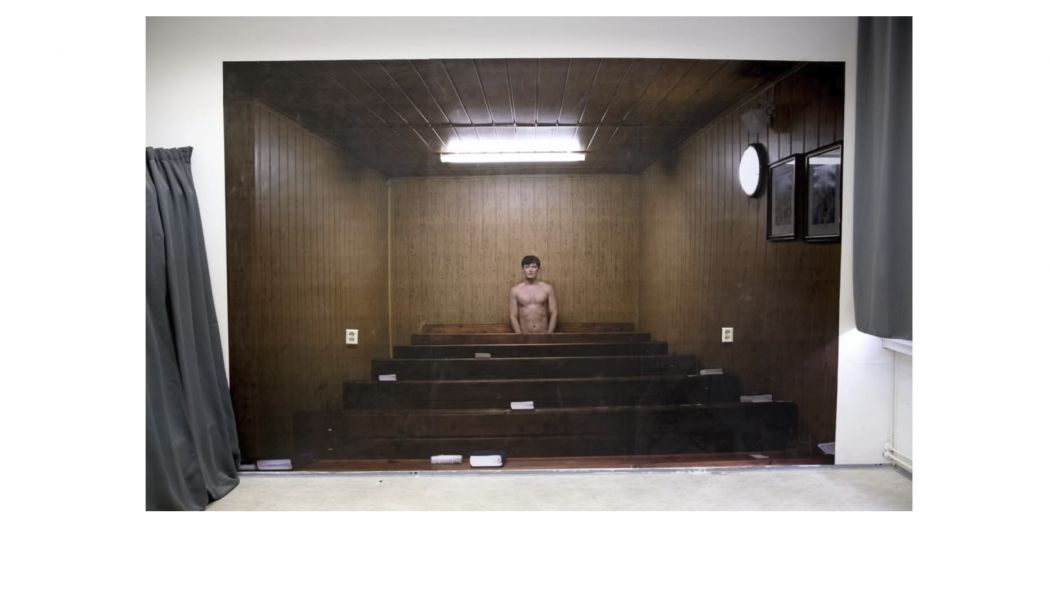
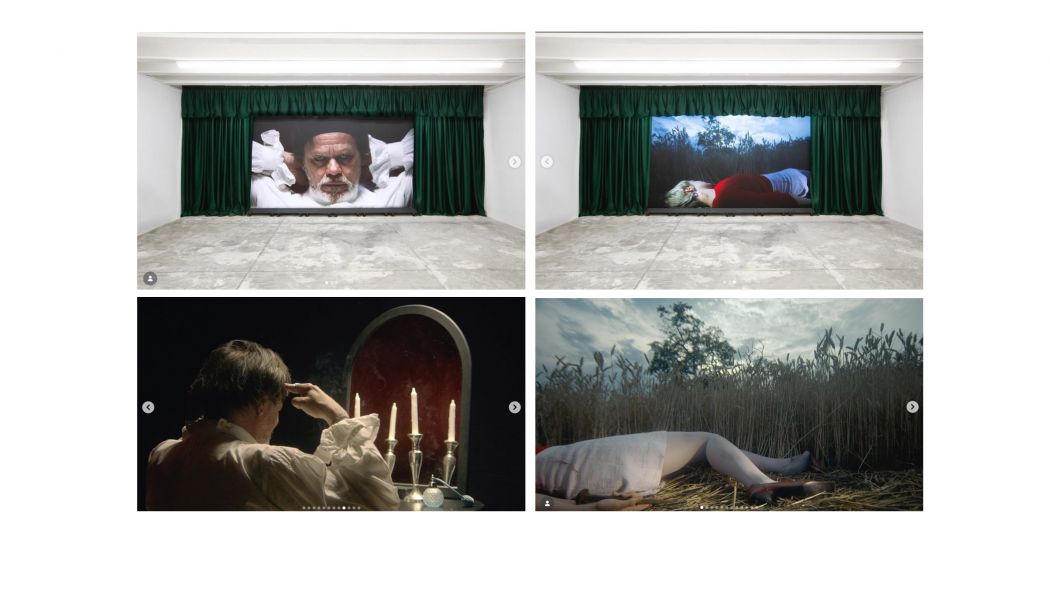
The significant position of photography in the current visual and post-medial age is not only shaping the face of our world, but at the same time it is and, because of the very nature of this medium always has been a full-fledged partner for multiple scientific fields. And vice-versa – particular themes and topics of contemporary photography absorb inputs from humanities, natural and also social sciences. The conceptual framework of the studio is therefore primarily focused on the analysis of the possible relationships in between technical image and the sciences from the perspective of visual art.
Photography would always reflect on the instability, the geopolitical, ecological and economical aftershocks resulting in various crisis on both local and global level, but also on the personal crisis of individuals. We perceive photography – a medium of technical image – mostly through the creative capabilities and inventiveness in handling with the technical possibilities of the medium.
The emergence of digital and virtual environment, social media and the development of the new technologies contribute to the reviewing of the nature of conventional imaging strategies in the field of contemporary photography and photographic theory. We see it as an impulse towards critical reflection of our own limitations and towards alternative ways of seeing, deepening the understanding of the photographic image as a space of resonance for other media and disciplines.
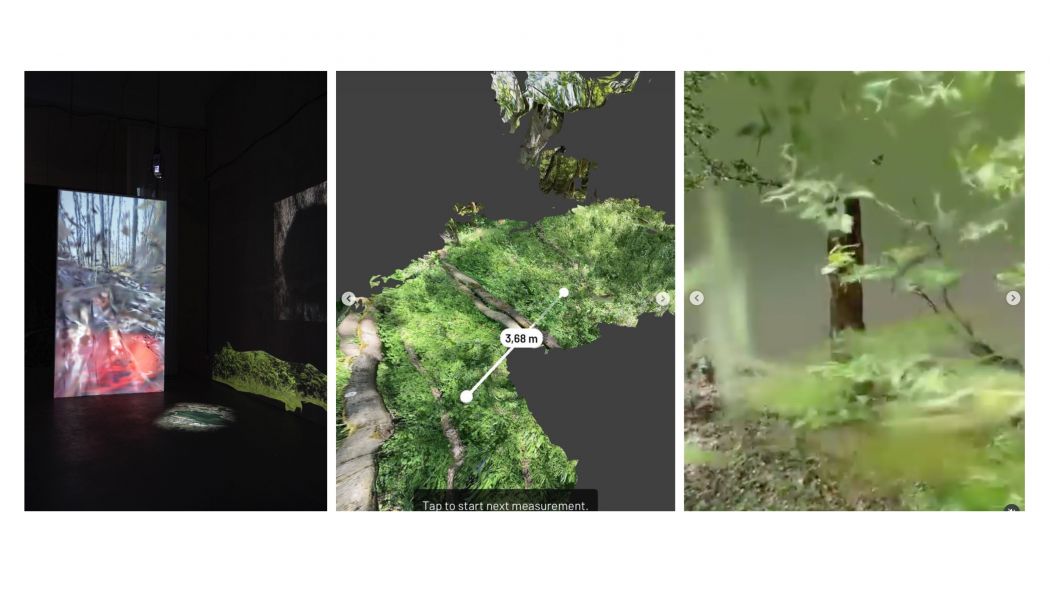
The aim to affect the viewer on the emotional, corporal and intellectual level simultaneously, provokes us to explore the limits of the photographic language, to analyse social interactions, to confront the reality with fiction and to recontextualize the nature of scientific findings with the goal to create new modes of perception. We see photography no more just as a copy, duplicate or representation of the reality, but more as its cocreator. The processes of permanent construction of the reality through the authorial fictions, although “unreal”, co-shape the future realities. Instead of passive documentation of outer world, new ways of understanding are explored, which rely on intuition and unpredictable events as much as on the calculation and quantification. At this point a broad field for experimentation with the transcending of the limitations of human sight through the medium is opening, from the radical sight of the apparatus to the experimental techniques using light, light-sensitive layer, chip or possibilities of virtual reality.
The questions and problems of photography, that demarcate the conceptual framework of the studio
Art - medium of photography / science / philosophy
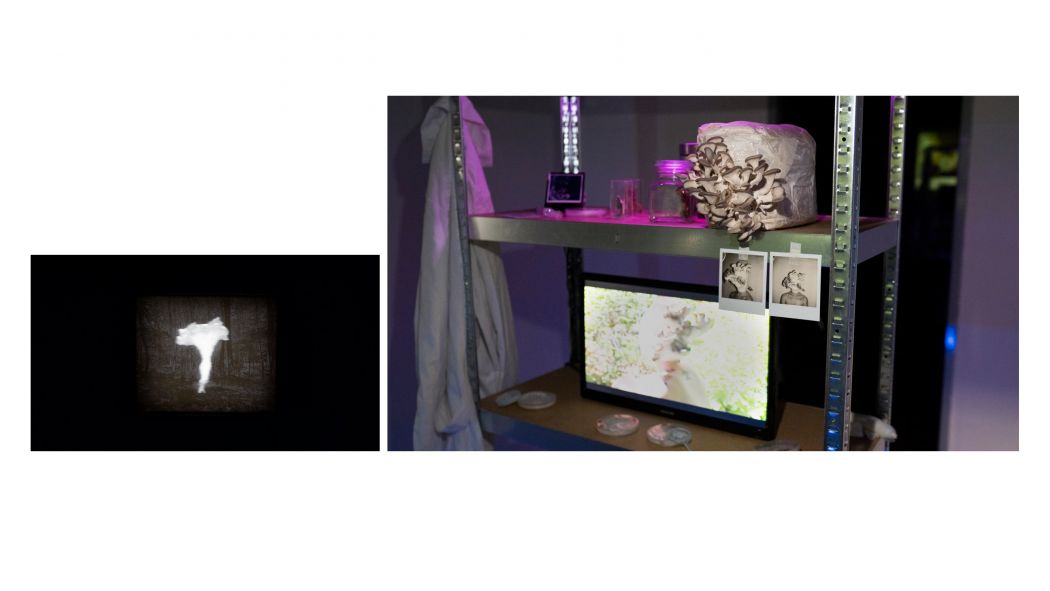
The fundamental topics are marked out by experimental processes base on multidisciplinary inspirations connected with the artistic fiction. At the same time, they are supported by the theoretical reflection of the media of photography and technical images. This forms a space for discussions about the impulses from the field of science and philosophy in the context of artistic practice. Under the inspiration of feminist and post-humanist positions, relationships between man and non-human entities are being thematized, the boundaries/fluidity between humans, animals and other living organisms are discussed.
Through the medium of photography, which is from its beginnings positioned somewhere between the dominion of science and art, different technological, biological and geological temporalities are being thematized.
Medium / body / mind
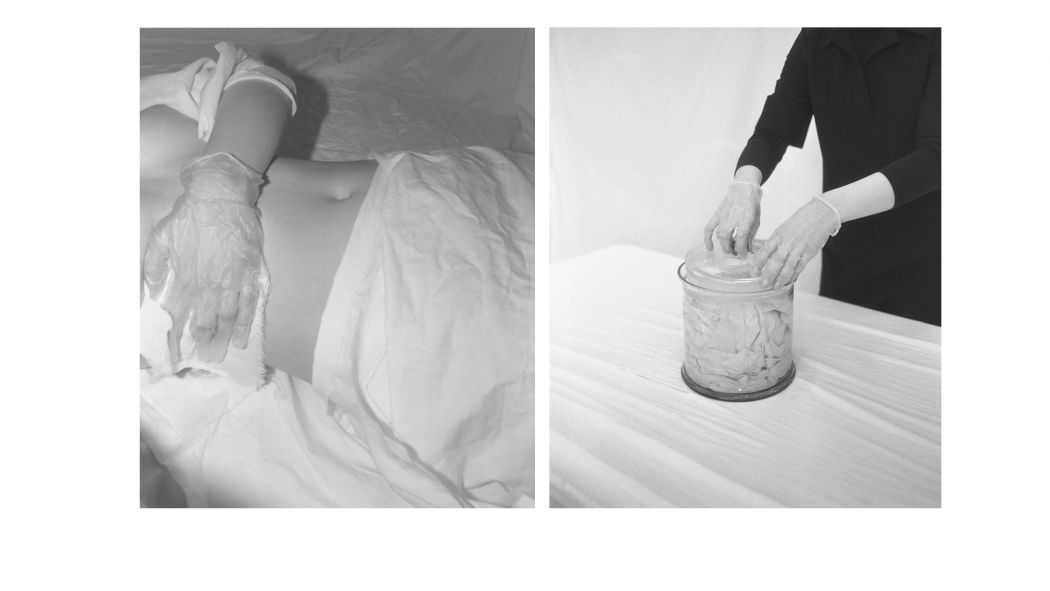
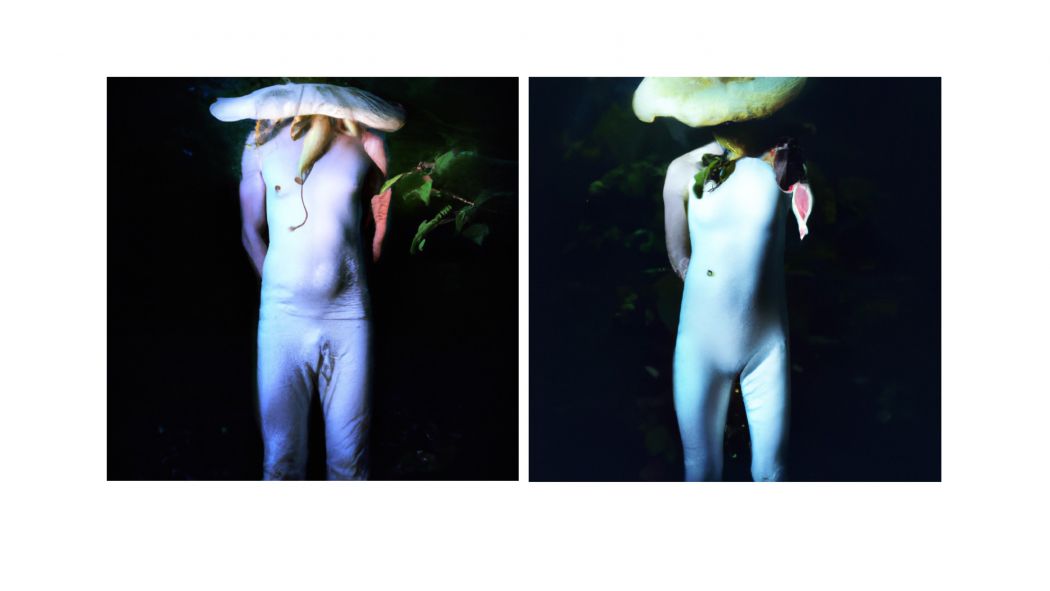
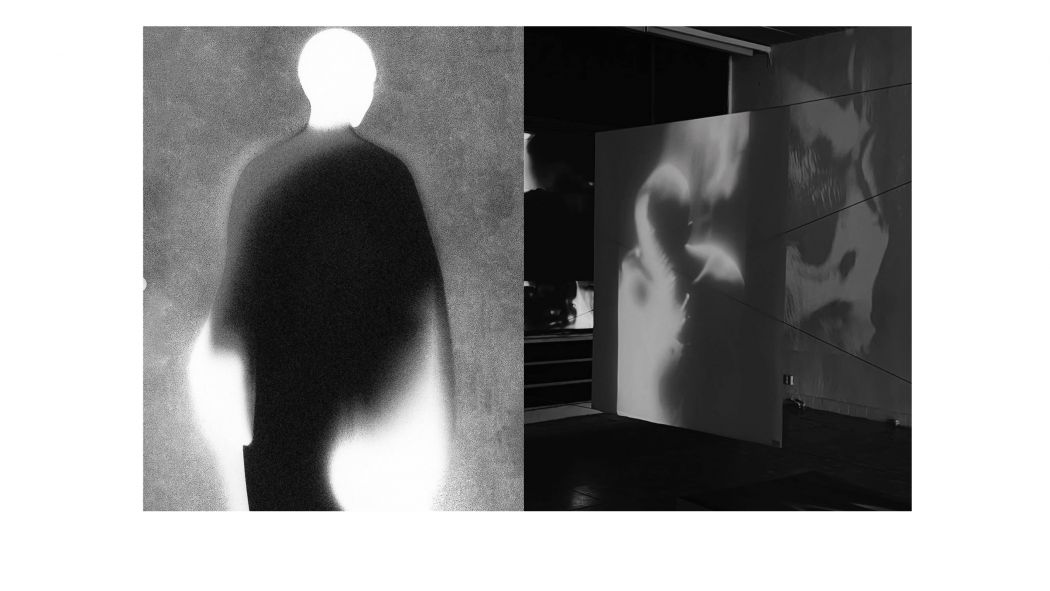
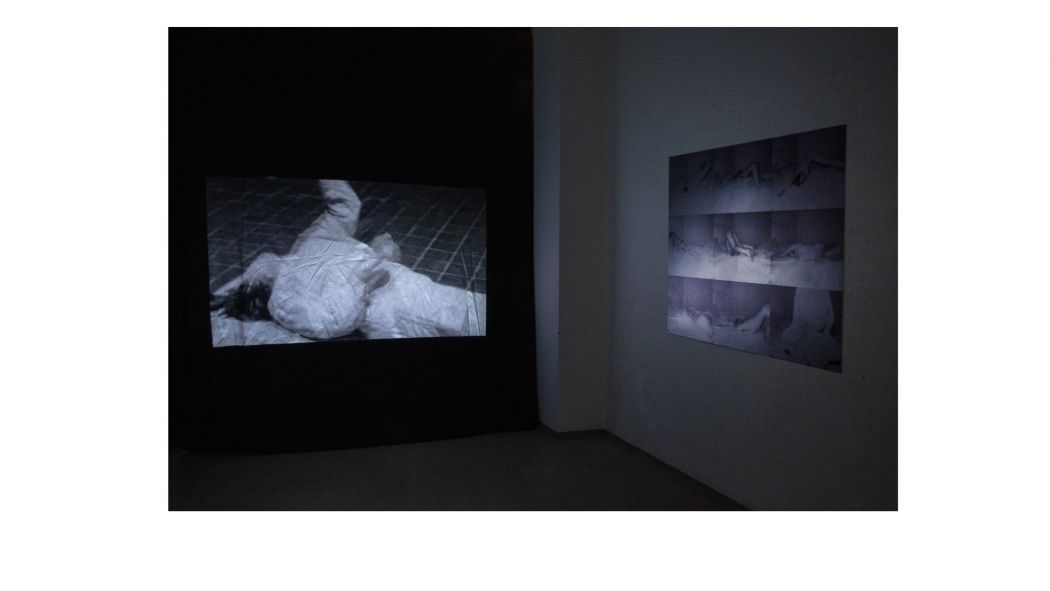
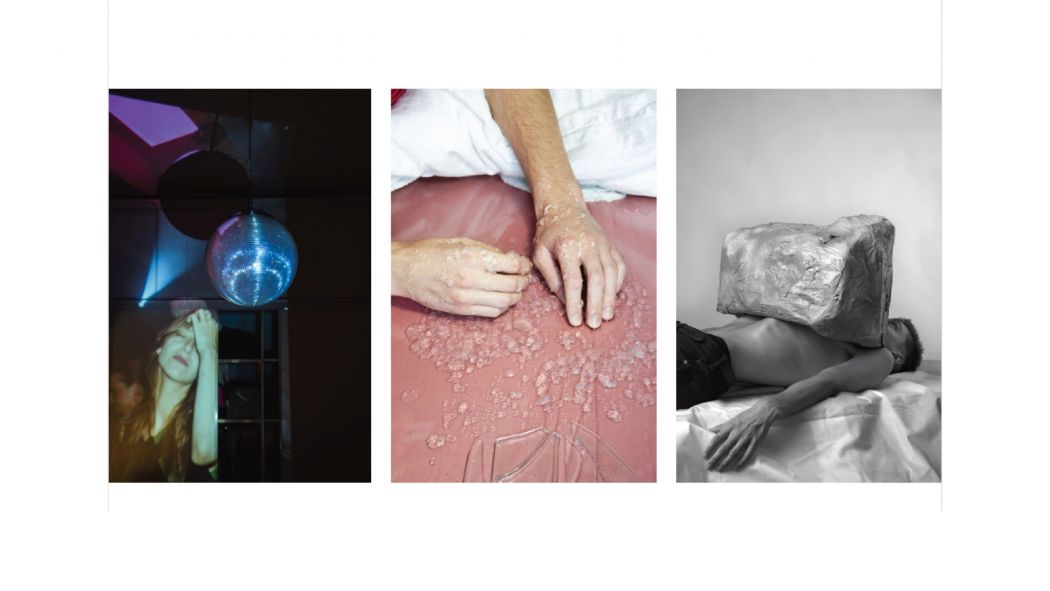
One of the fundamental topics not only for photography but for art in general, is and would be intensive elaboration of the relationship between body and mind and the problem of digital and hybrid bodies. This will bring more frequent encounters between mind and body phenomena as a space for explorations of personal identities, epistemic regimes, traditional conventions and norms of human interaction. The body is already not only an intuitive tool for gaining new information and knowledge, but functions as an organic interface for digital networks and virtual spheres, which increasingly influence our understanding of reality. New interesting views on traditional categories of man and woman, animal and human, human and machine, material and immaterial, public and private are being formulated. New forms of depiction of humans and other living organisms, with which we are interconnected in a shared world are being explored and tested. Hybrid bodies are created, that raise questions of perception of the future. The problematics of depiction of non-corporality, dis-embodiment, and re-embodiment is not only bound to the physical or mental body, but also on human perception of objects in various environments and their material/nonmaterial nature.
New experiences, procedures and imaging mechanisms will be tested through the photographic image. The body is permanently opening new dimensions of knowledge for us and photography is an ideal recording medium of it. However, seeing is not only a passive process, but an active participation interacting with technologies and apparatuses, which generate and mediate images.
Camera-less photography / apparatuses of seeing / proto-photography
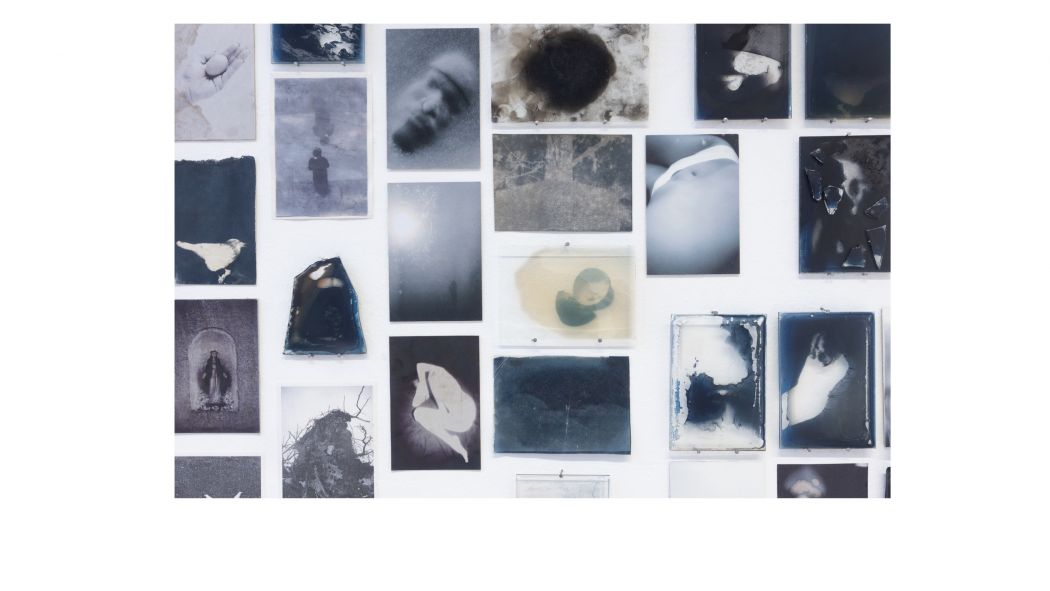
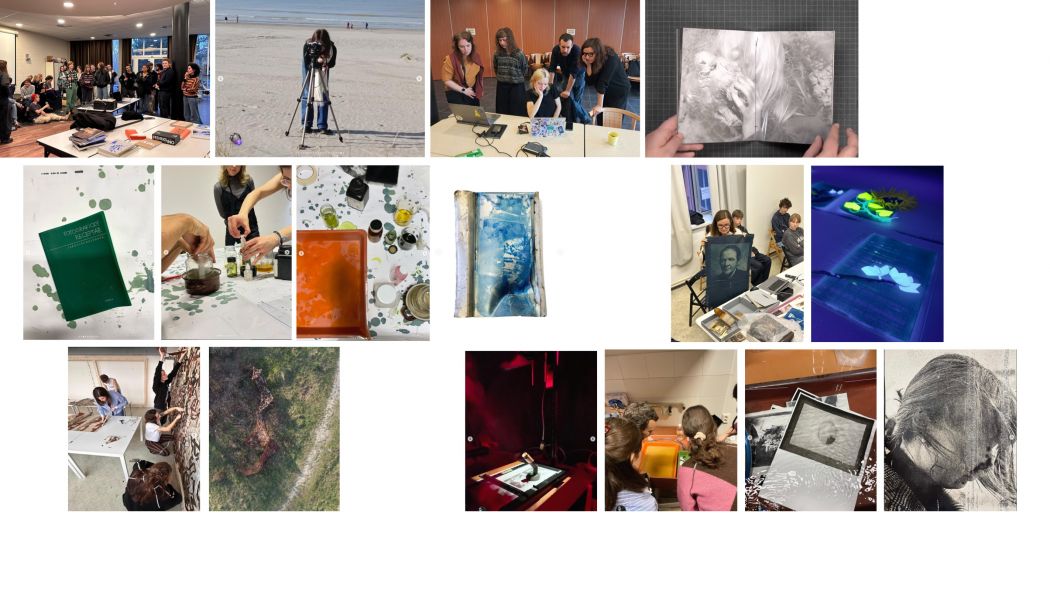
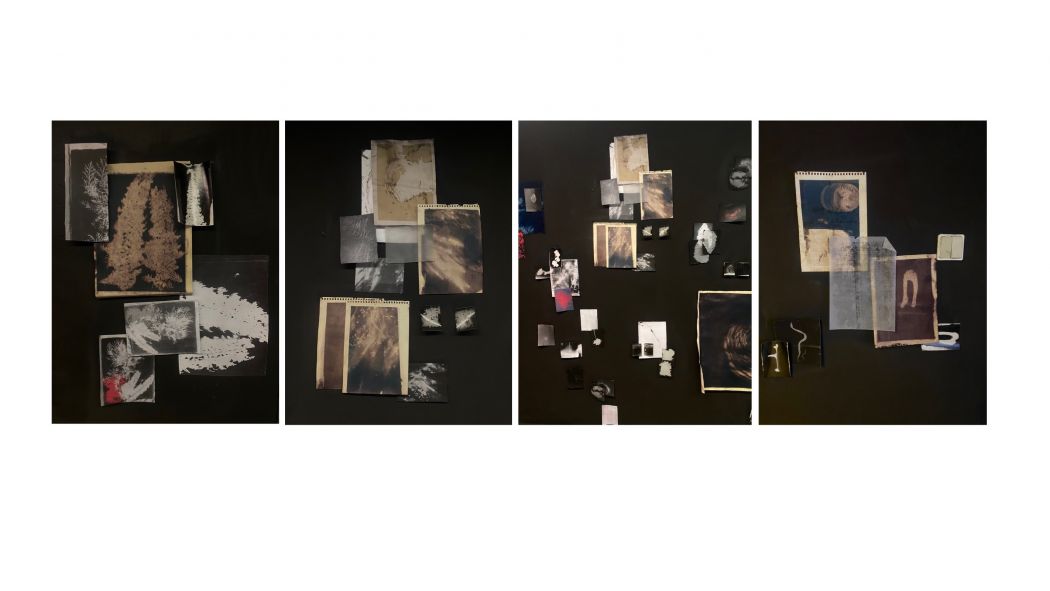
One of the important aspects among the conceptual framework of the studio is returning to the past – towards the technological beginning of the photographic medium, thus generating a spase for the discourse/ reflection upon the ontological status of the medium. The scientific photography has from its beginnings helped to bring a significant level of abstract thinking into the field of art photography. It has also helped to understand seeing as an active and dynamic process, both in physical and chemical development of photography. The physical development has not only brought the experience of looking “at something through something”, but mainly of looking through the apparatuses of seeing, which bring new perceptive experiences. On the other hand, the experience of chemical development is – through the phenomenon of cameraless photography – offering a type of perspective which does not prioritise the object but is capturing the traces of light and their interactions on photo-sensitive surfaces.
Nonhuman photography and human photography / archaeology and geology of photographic medium as a metaphor
According to W. J. Harrison, photography and geology are analogical processes. The junction of these two terms is for us opening such a space in the concept of the studio, that can navigate the discussions both towards the past and the future of the photographic medium. It is a zone in which we teachers are in a way becoming the students and so it will be necessary to invite external experts for the discussions.
In this regard I was inspired mainly by these publications:
- Nonhuman Photography by Joanna Zylinska (published in Czech translation by Karolinum in Prague in 2023; originally published in English by MIT Press in 2017),
- From Media Archaeology to Media Geology by Jussi Parikka and Martin Charvát (AMU, Prague, 2022),
- Elektro-fotografické Imaginárno: Prízraky medzi fotografiou a elektrinou by Martin Charvát (CZ)
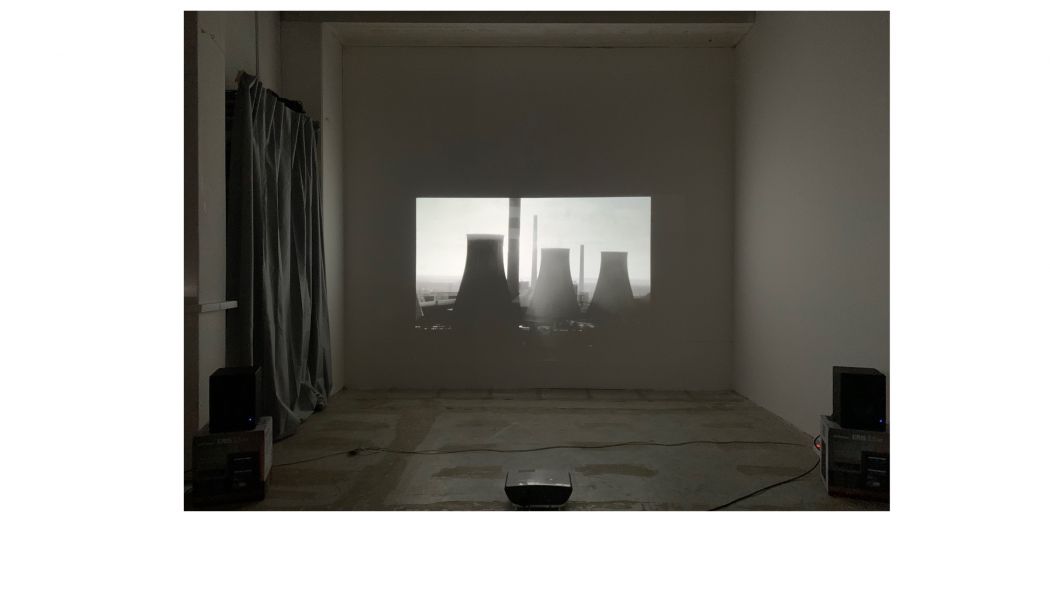
The framework of the studio is thus integrating the topic of imaging practice without human interference (be it as an object, an agent or a recipient). The questions of photography “after humans”, of the look from nowhere, of problems of visibility and invisibility, and of how to work with photography as a system of processes will be discussed. Those questions lead to the changes not only in the artistic practice, but also in curatorial practice, where the active cooperation with teachers, students and doctorial students of the Department of Theory and History of Art is expected.
Transmedia platform: content / form / technology
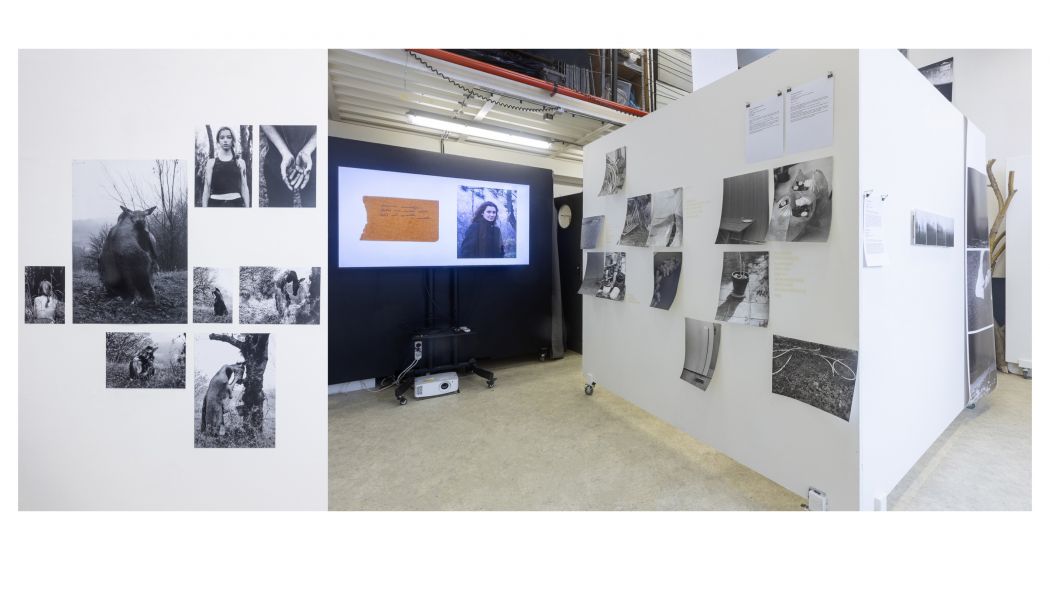
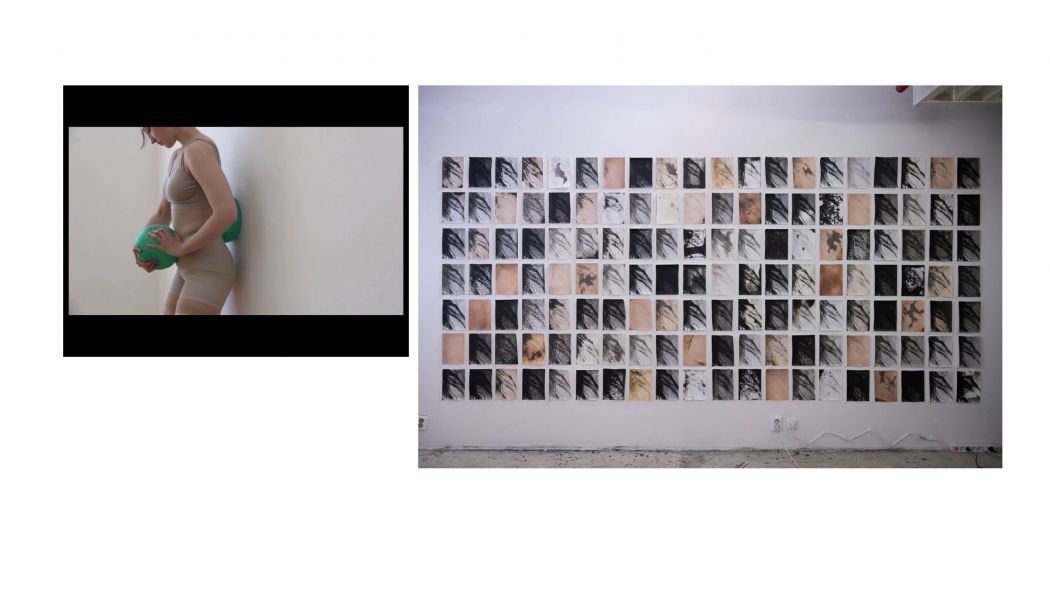
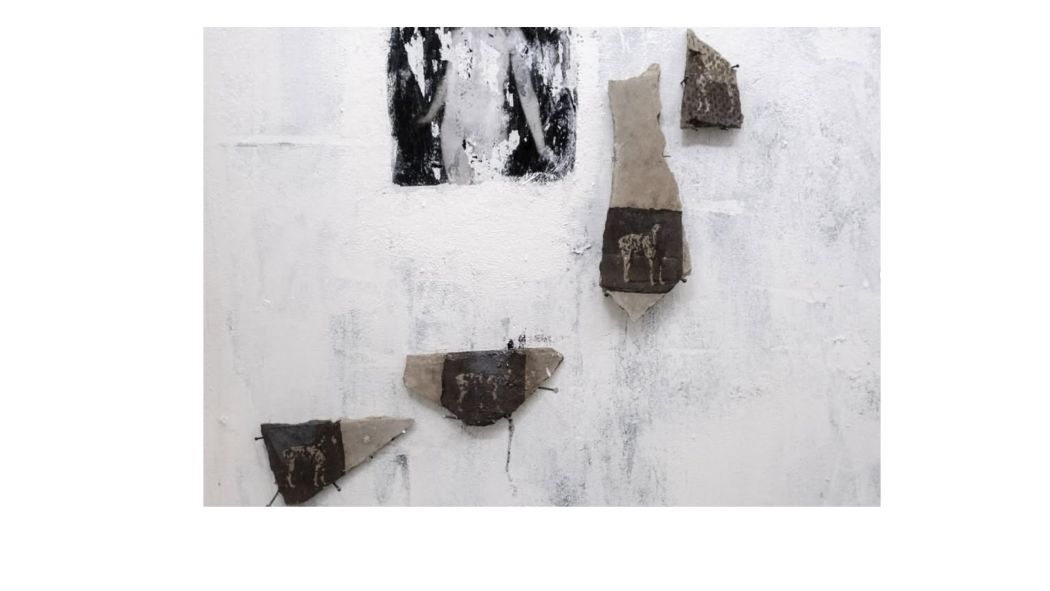
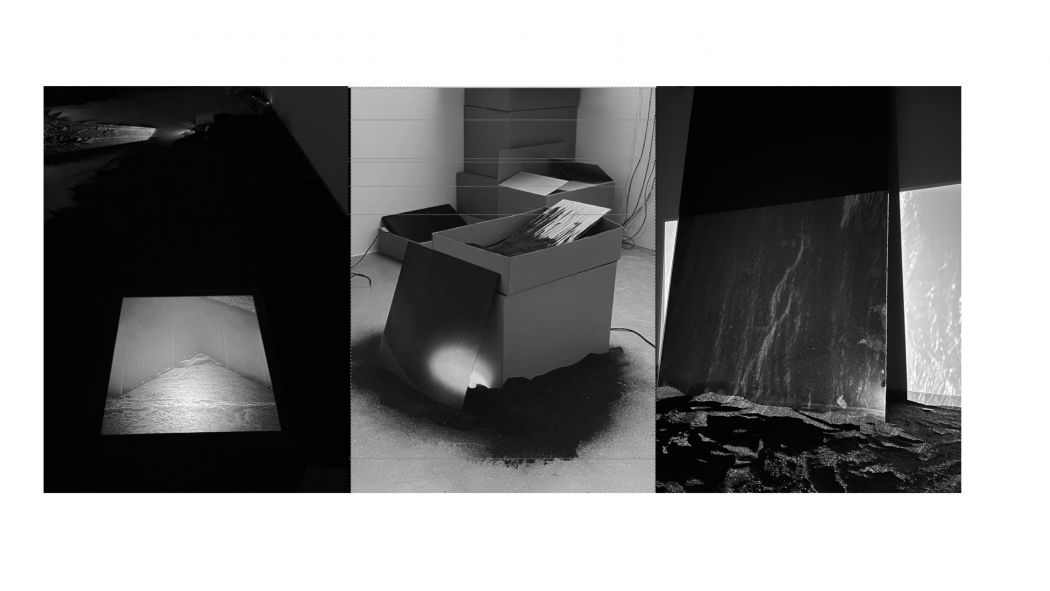
Part of the programme features an experimental research of technologies of image on glass and other surfaces, particularly in the media of drawing, painting and photography and their expension into space installations. The image is understood as a material object with own texture. The research integrates transformation of the matter, capturing the light, leaving a trace, perception of temporality and mapping of light, whereby reacting to the light serves as a potential content of the artistic expression. Re-interpretations of classical technological processes in combination with the new technologies enable various forms of collective authorship.
(Pedagogical team: Palo Macho, Žofia Dubová, Jana Hojstričová, Michal Huba and colleagues from the Department of Theory and History of Art)
Photography / installation
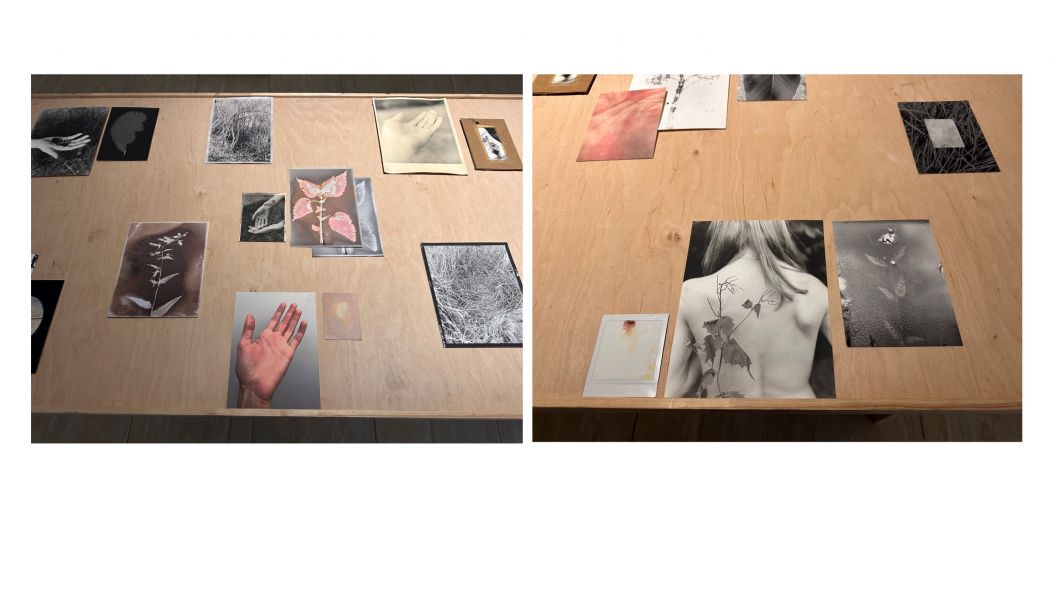
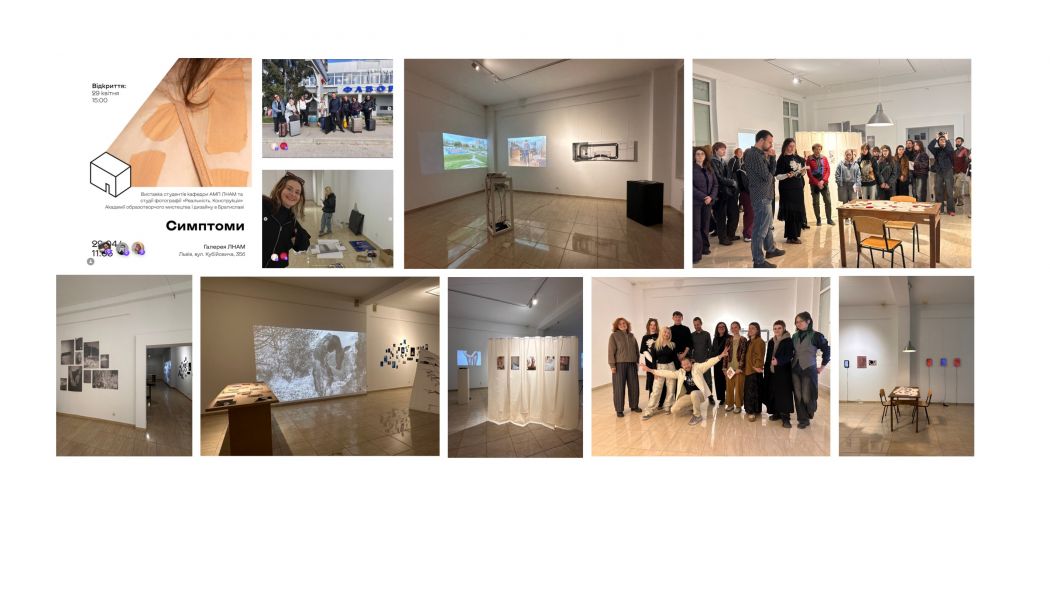
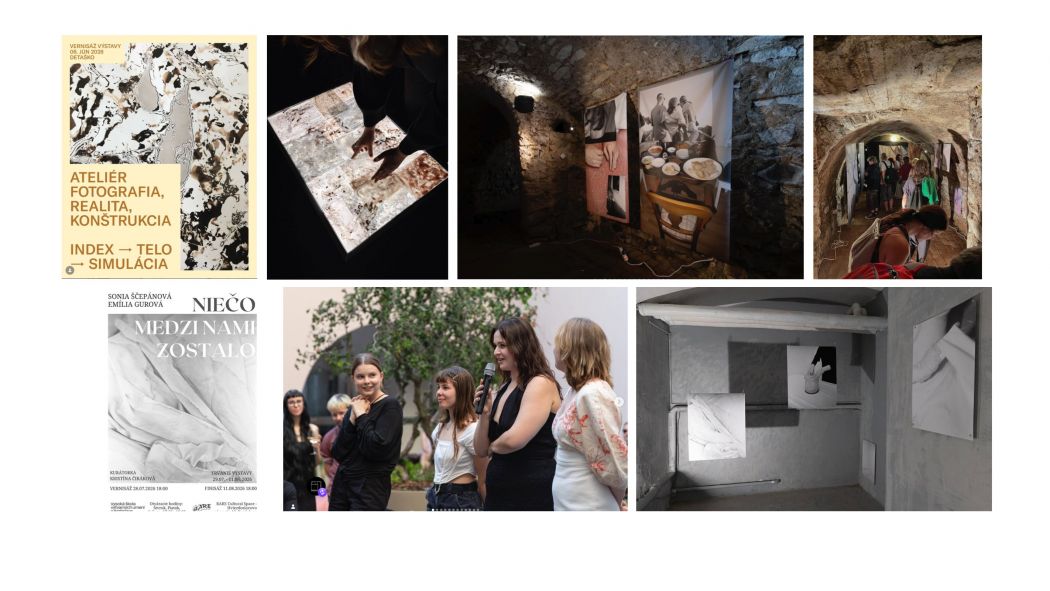
A significant (both from the perspective of time investment and its importance) segment of the discussions and consultations is elaboration on the issue of the photographic image in the context of installation. The strategy of the installation is always determining the meaning of the artwork, being also closely connected to the interdisciplinary and intermedial approach.
Methodology of the semester assignment:
Semestral assignments are formulated in specific terms accompanied by their wider dictionary definition or as a starting point in form of a text connected to the sciences, philosophy and the photographic mediality. This frames the field of discussions in between teachers of the studio, the students and the doctorial students.
The goal is to define the topic of the project connected to the current studio assignment in form of a specific term, or to develop the topic connected to the field of interest of a given student. This approach leads to an increasing level of independent thinking and generating of own timely themes and issues, which resonate with the students/young artists in the context of current situation in the medium.
Students – mainly in the final semesters of their degrees – are capable of thinking about semantic strategies of the media of technical image. They are also capable of developing their relationship with the medium through the experimentation and searching for their own distinct visuality, still in connection with the aforementioned impulses form the science, philosophy or the mediality of the image itself. During the master studies, the discussions might bring inspiration towards colllective/collaborative artistic projects, which we initiate even in between different studios.
Teaching and studying:
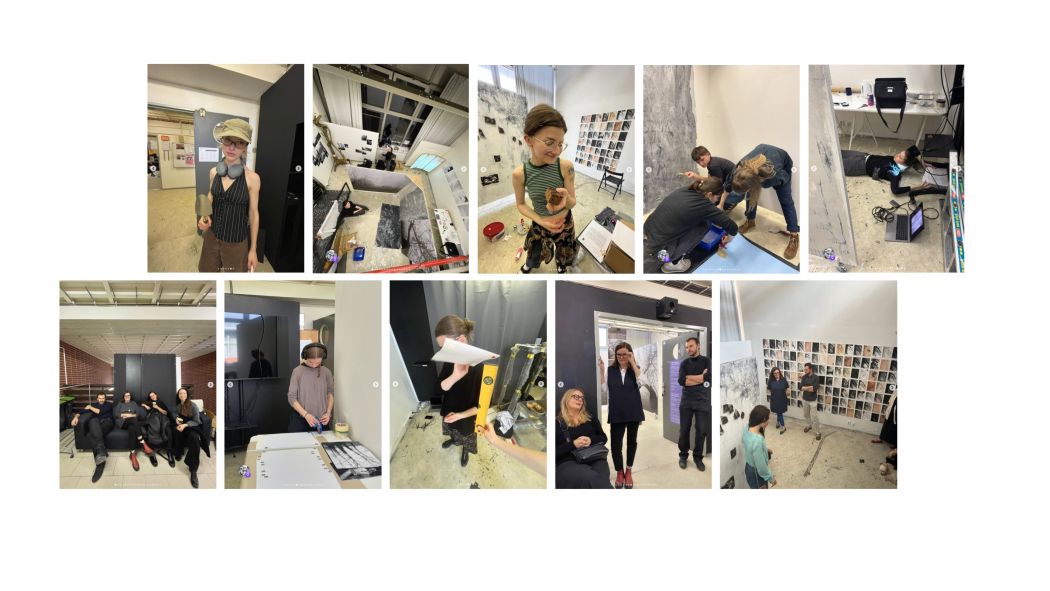
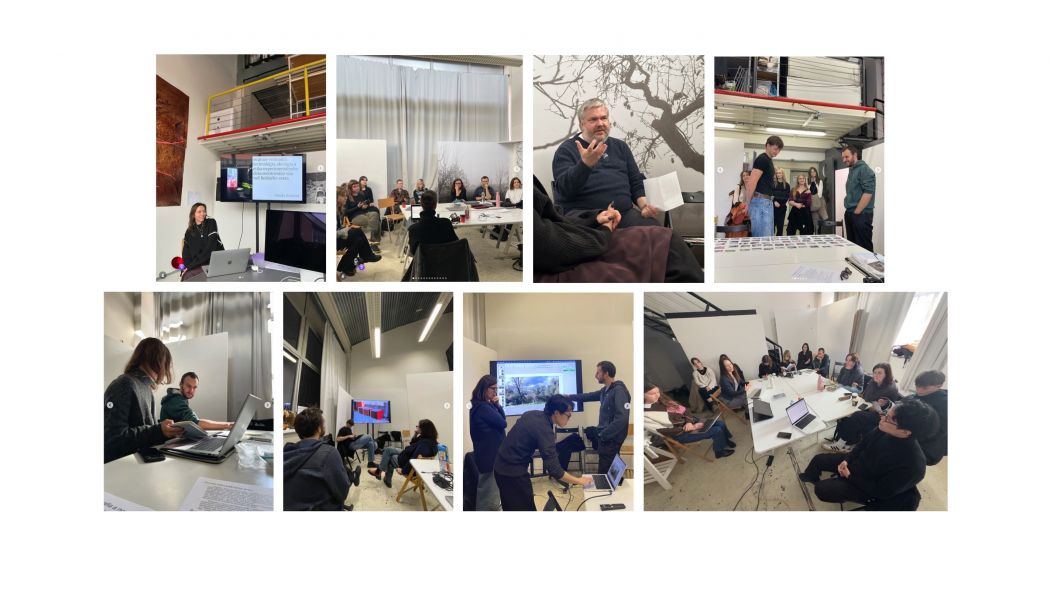
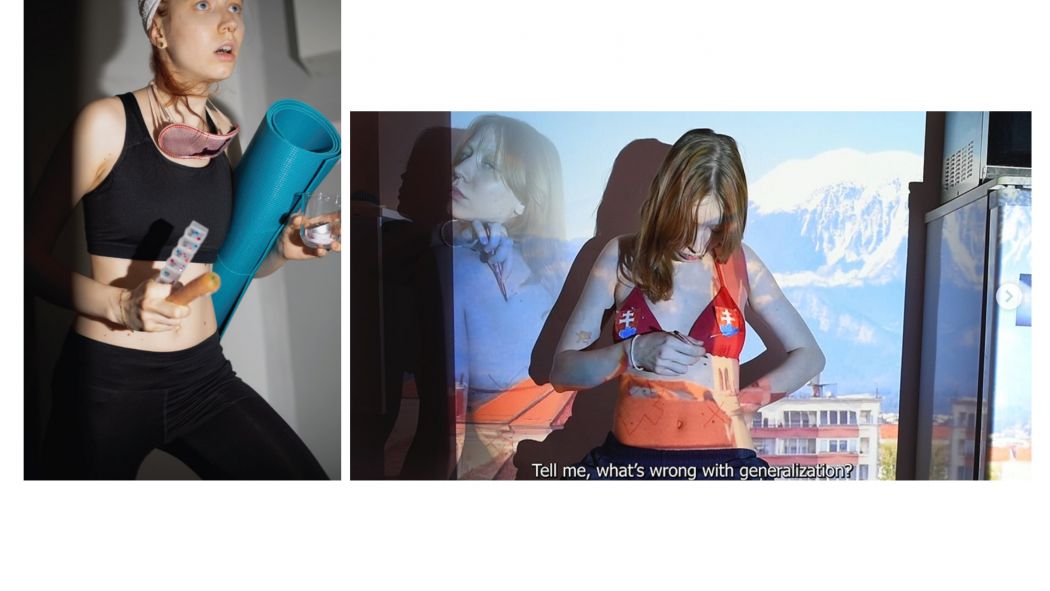
Teaching and studying of photography is a permanent dialogue. One of the important functions of the teaching process is to generate adequate time and space conditions for the students to work on their projects in a concentrated way. We see the ideal pedagogical process in a reciprocity of impulses, but also in networking of the creative thinking without hierarchy of authority, to be able to experiment freely and to share the results of those experiments with each other. The goal is to get familiar with the new skills, to try a creative cooperation in the medium or in an interdisciplinary form, to develop individual and collective creativity and to permanently discuss the contemporary art issues, socio-political topics, ways of mutual sensitisation, tolerance and inclusion.
Studio Photography, Reality, Construct
Head of studio
Assistant
Doctoral student:
MgA. Lucia Sceránková
Doctoral programme graduates:
2026 – Mgr. art. Tatiana Takáčová, ArtD.,
2024 – Assoc. Prof. Mgr. art. Palo Macho, ArtD.,
2023 – Mgr. art. Ján Skaličan, ArtD.,
2022 – Mgr. art. Zuzana Pustaiová, ArtD.,
2022 – Mgr. art. Michal Huba, ArtD.,
2019 – Mgr. art. Seija-Maija Anuleena Laurinen-Czinege, ArtD.,
2017 – Mgr. art. Martina Šimkovičová, ArtD.,
2017 – Mgr. art. Anna Horčinová, ArtD.,
2016 – Mgr. art. Tomáš Manina, ArtD.

Follow us on Instagram:
https://www.instagram.com/afrk_vsvu/