Studio of Photography and Critical Practice
Ateliér fotografia a kritická prax
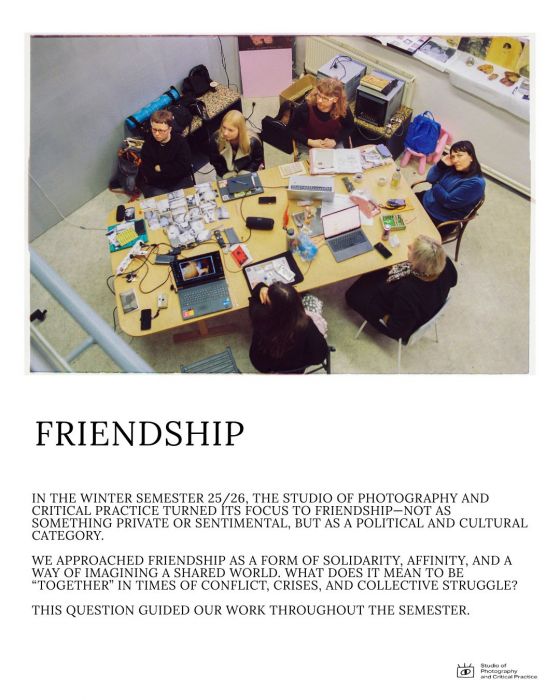
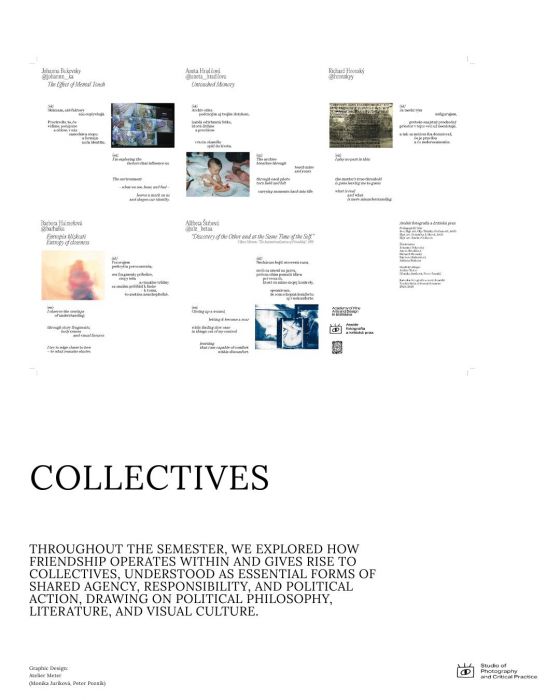
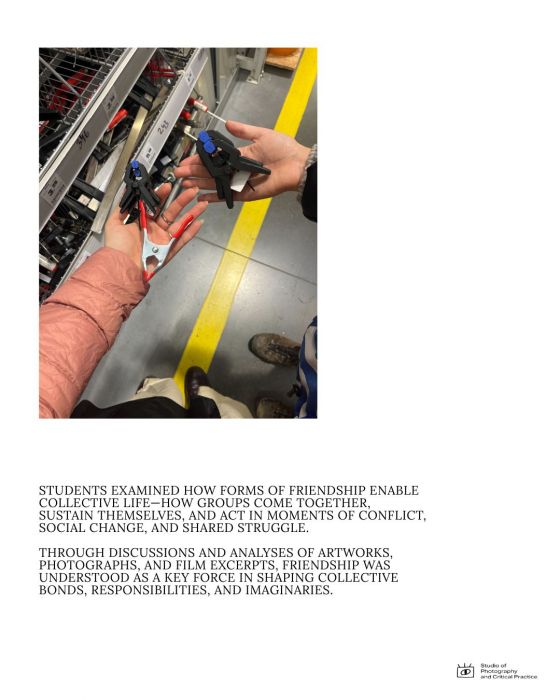
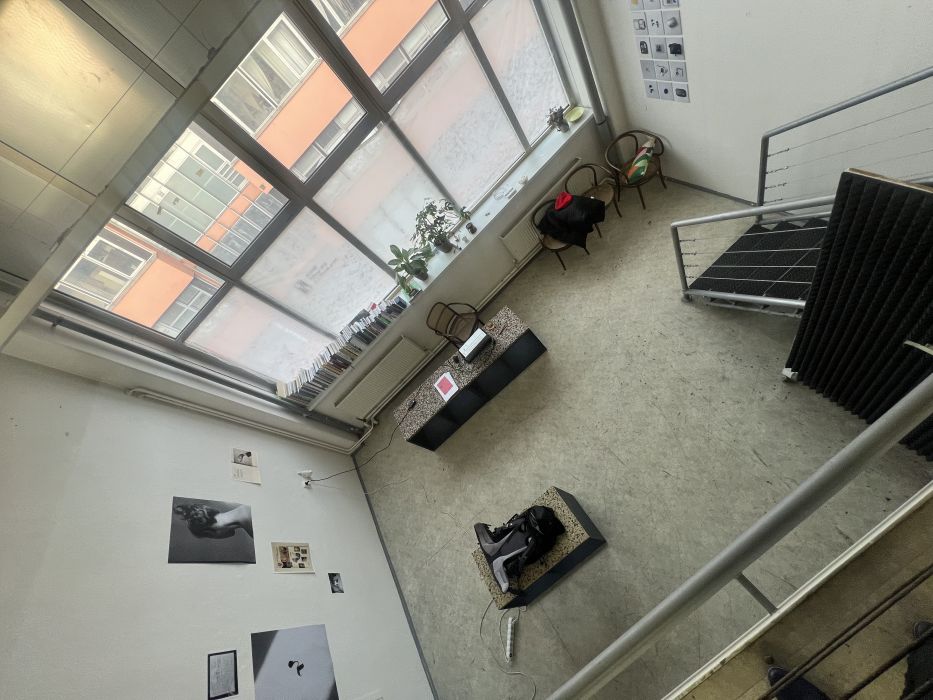
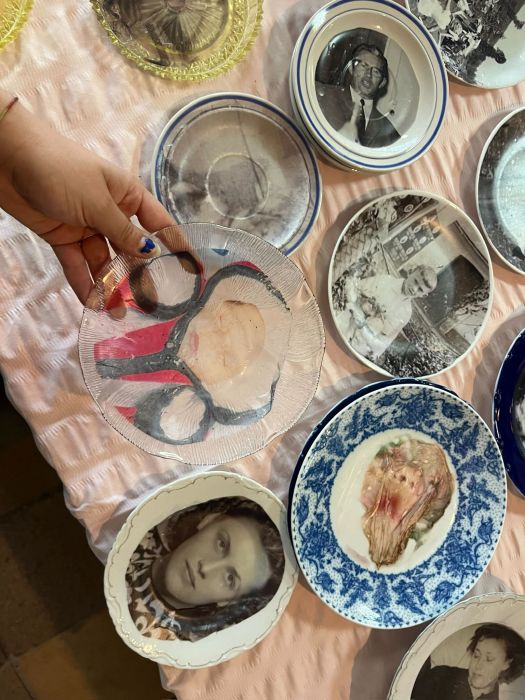
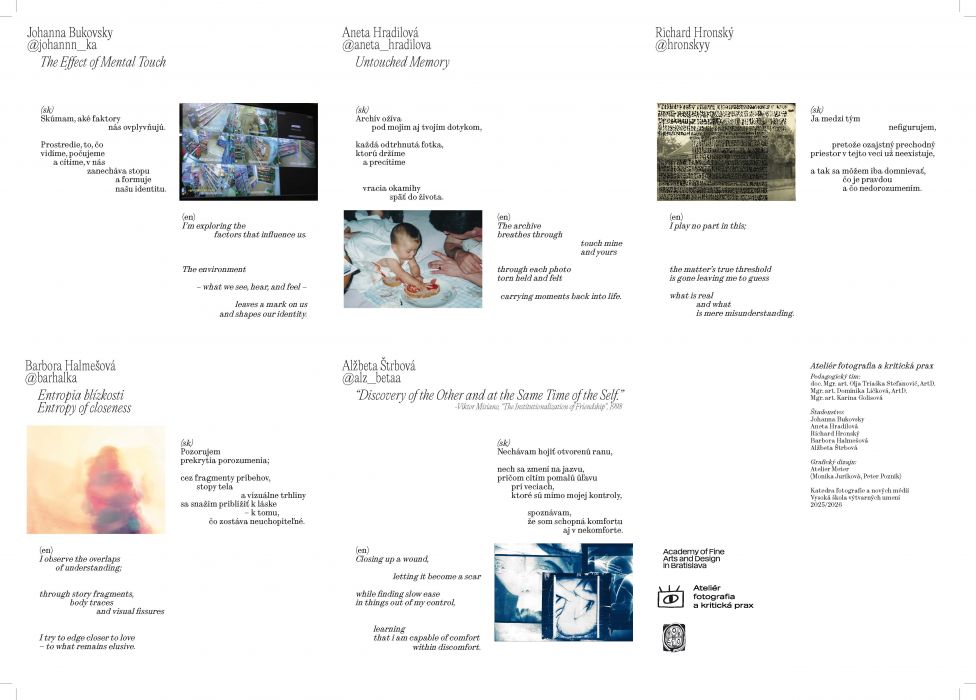
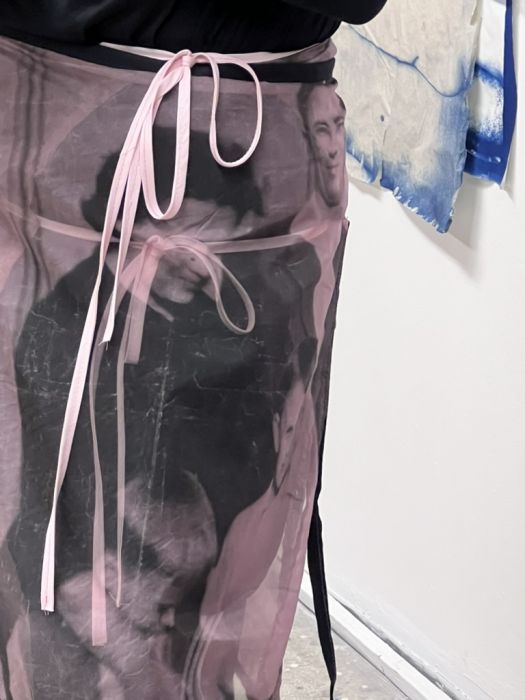
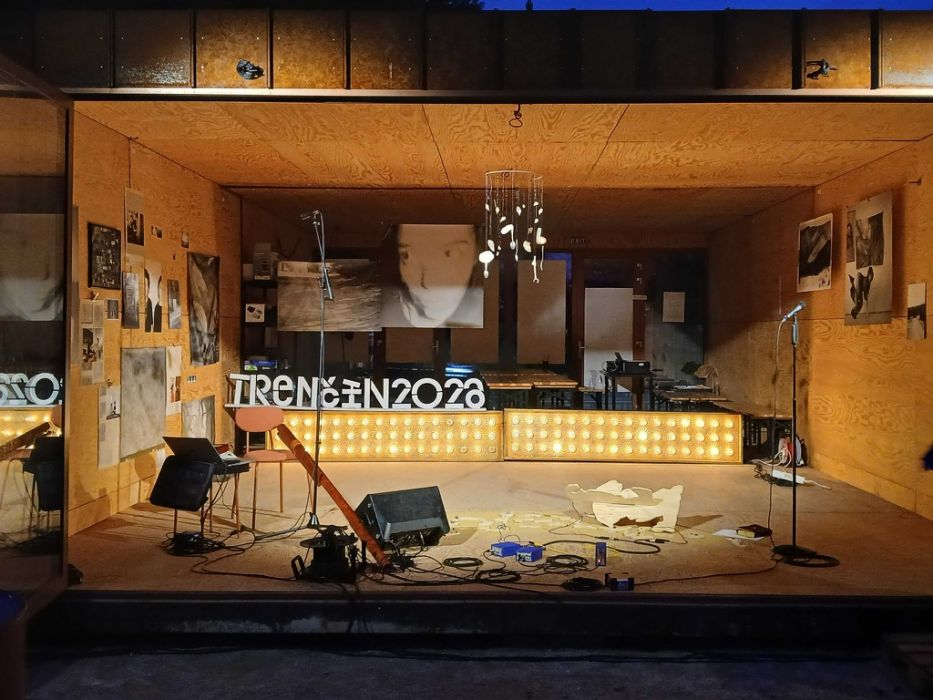
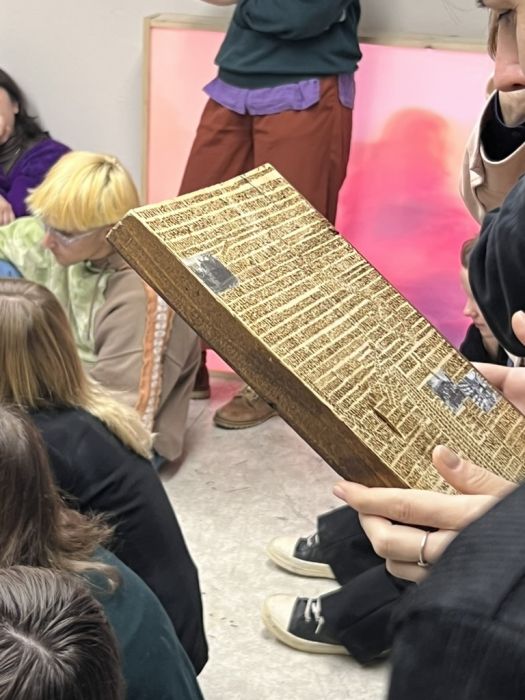
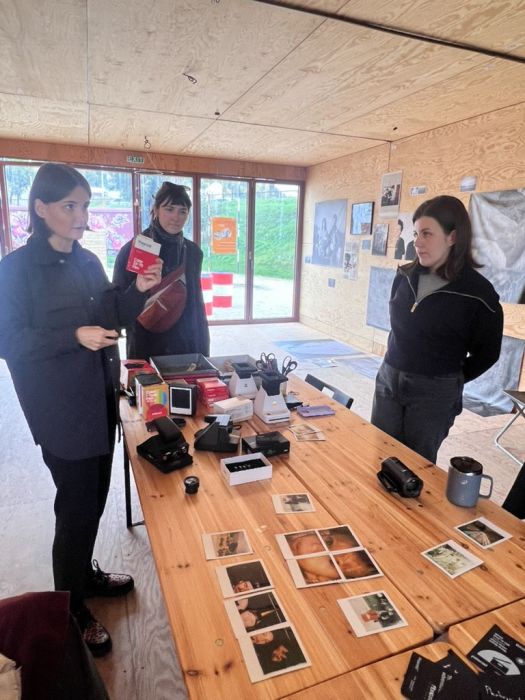
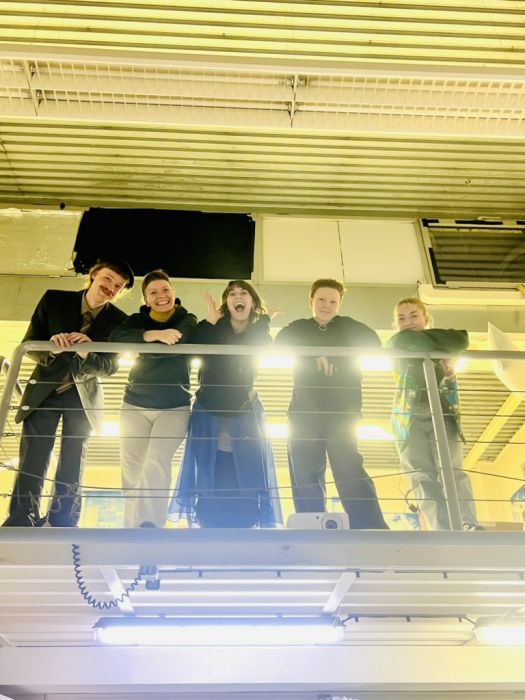
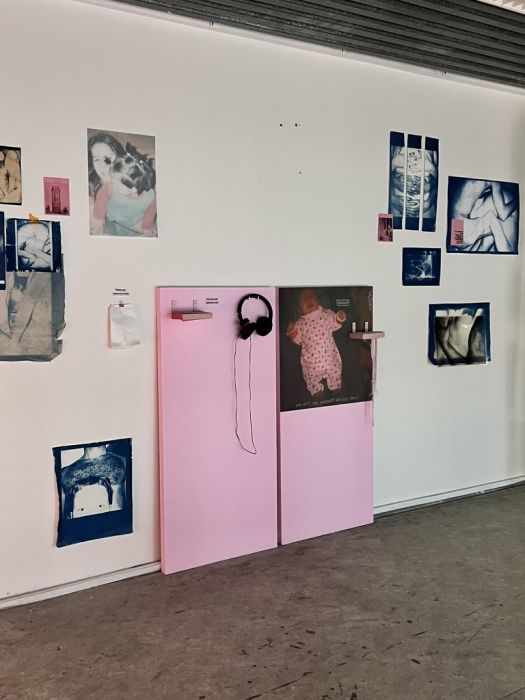
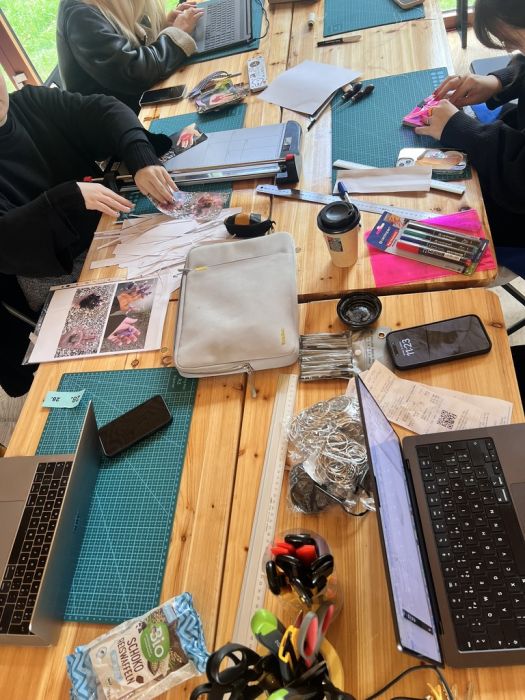
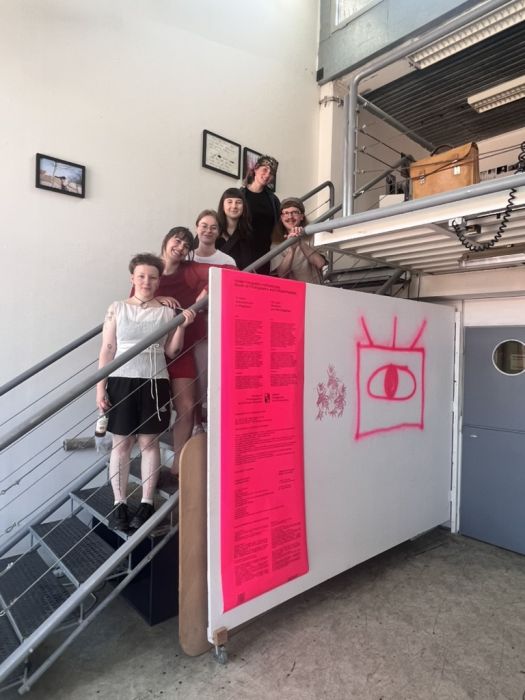
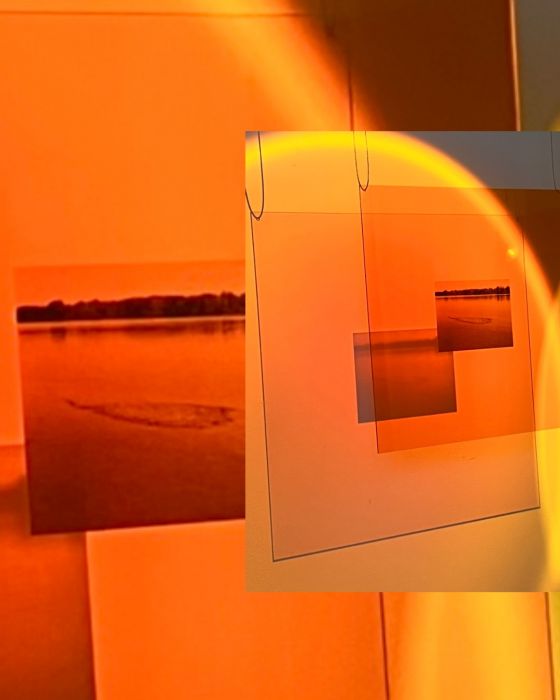
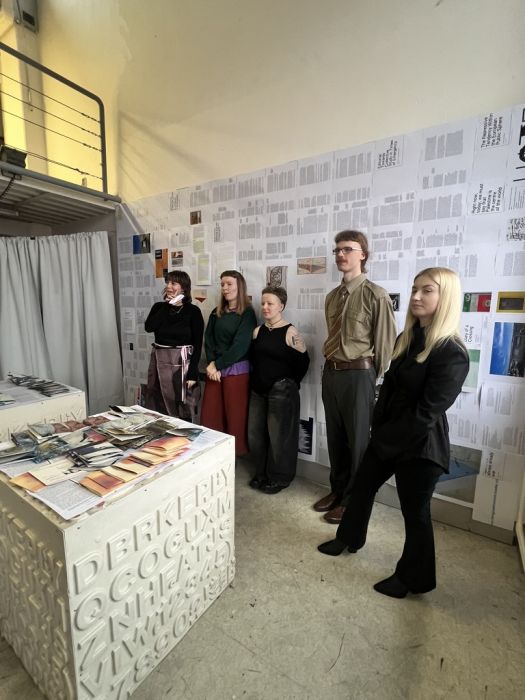
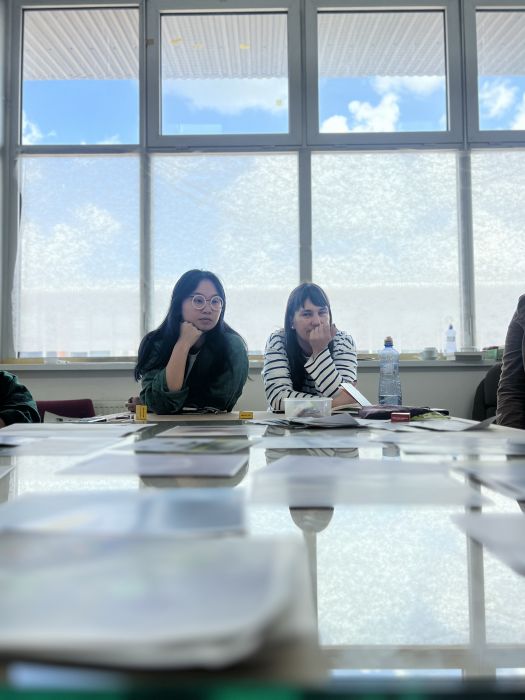
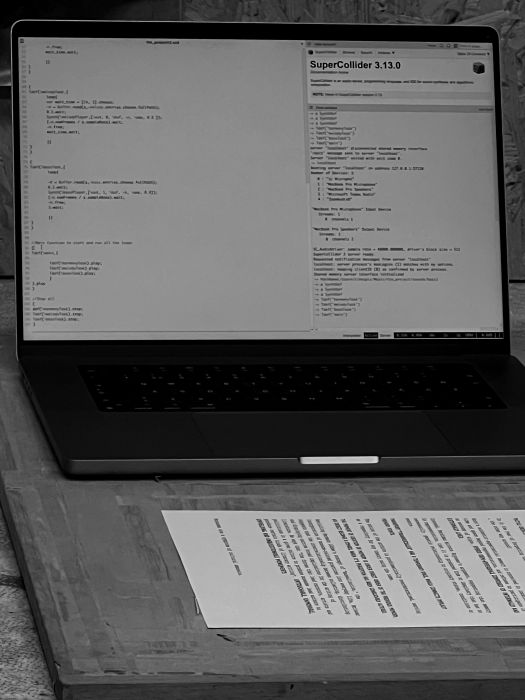
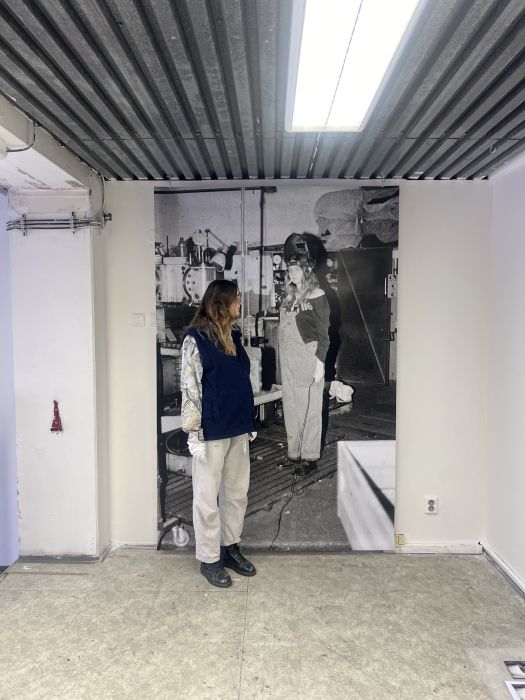
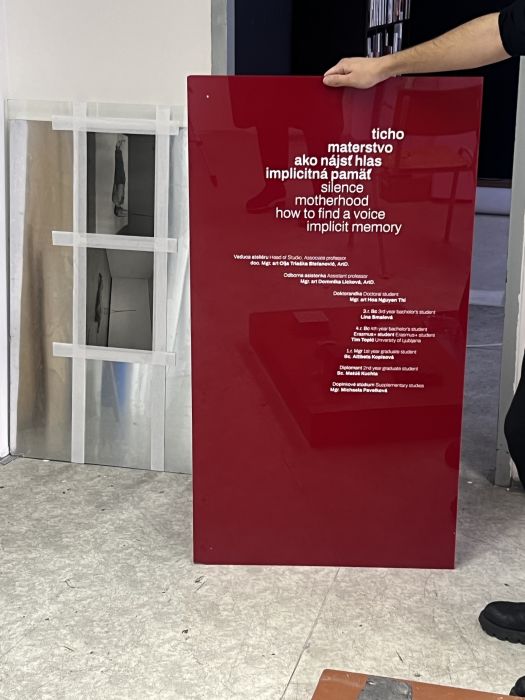
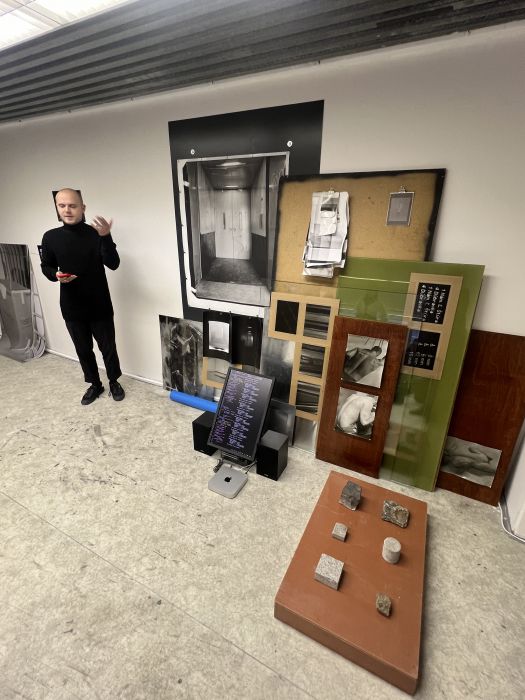
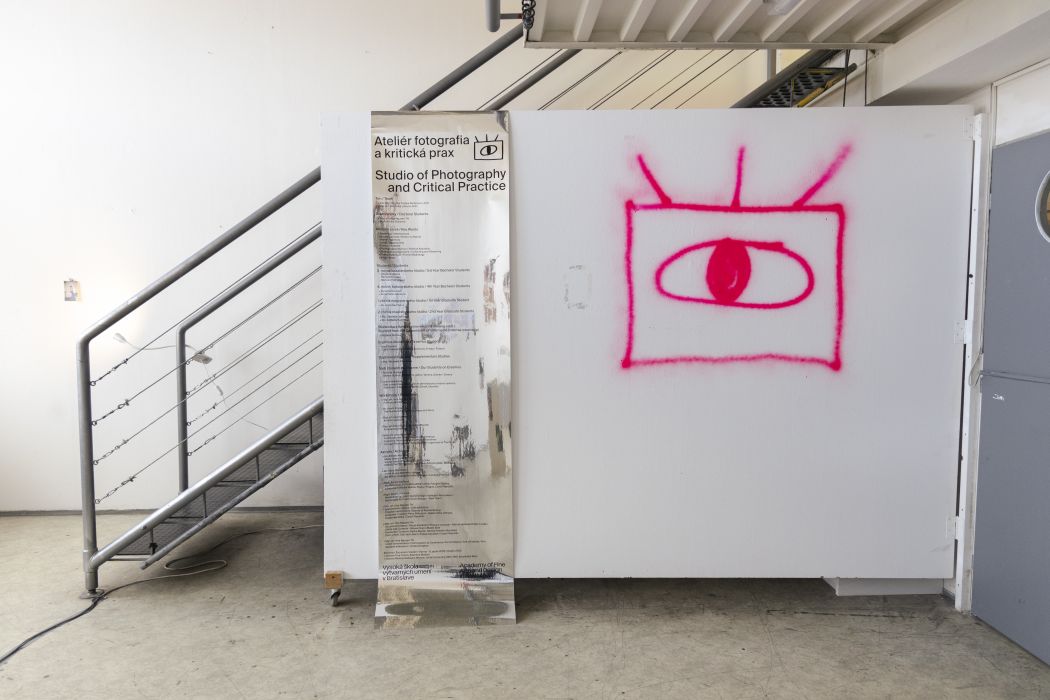
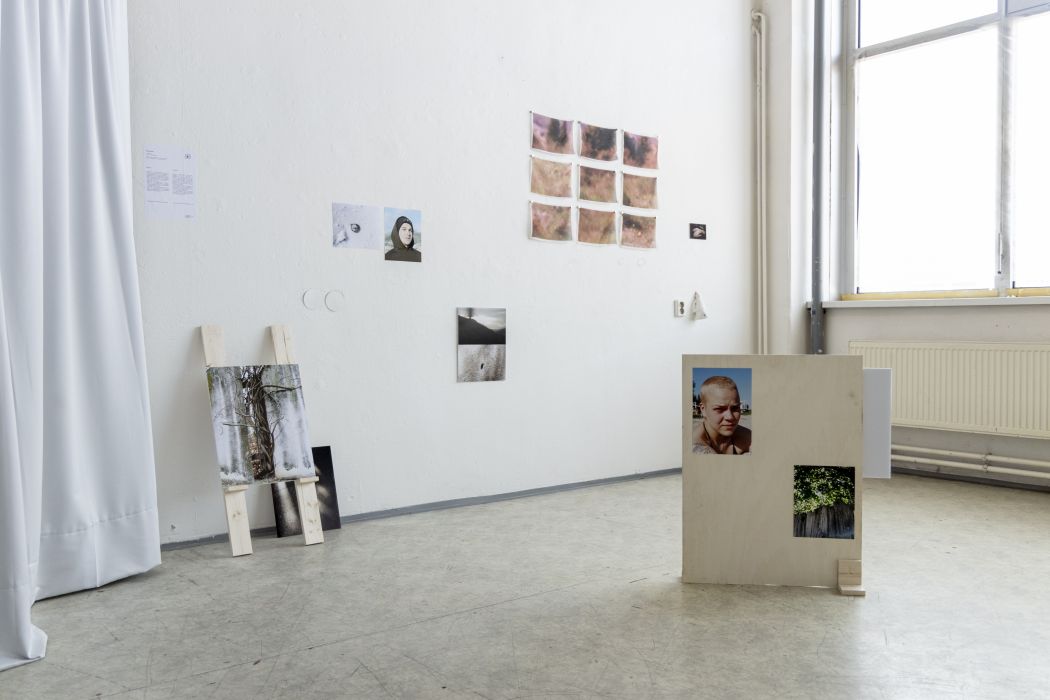
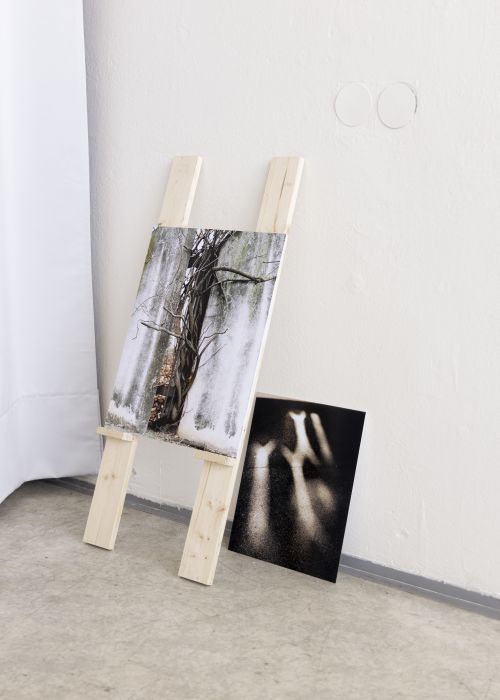
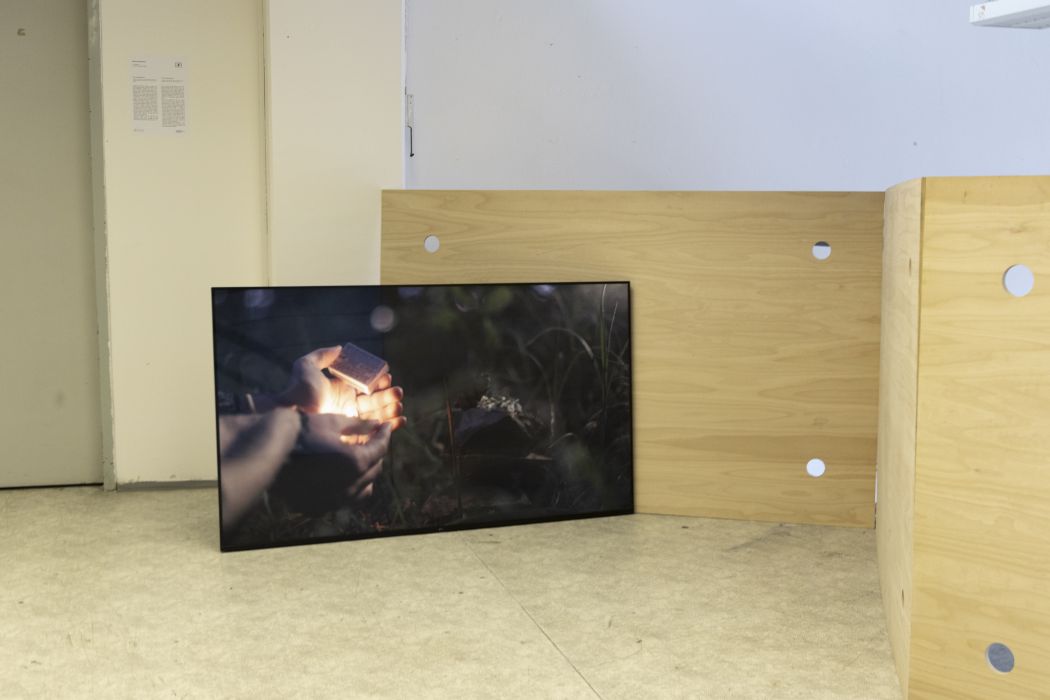
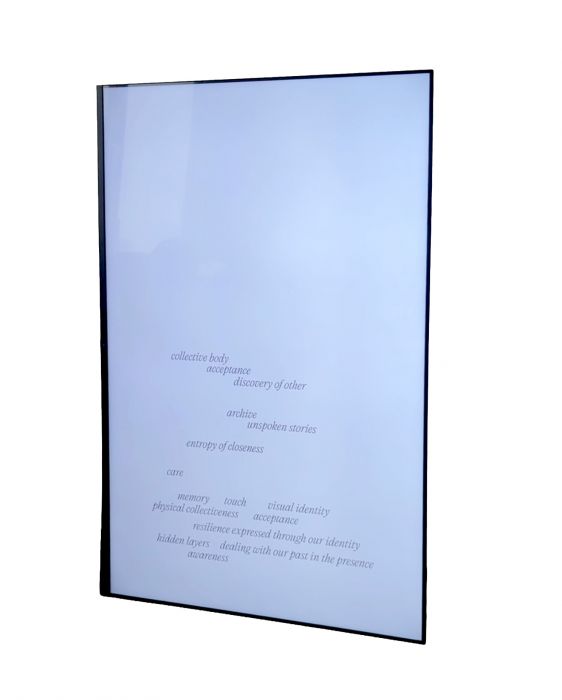
The Studio of Photography and Critical Practice operates as a collective platform connecting artistic research, photography, visual culture, and critical reflection on contemporary realities. We understand photography not merely as a medium for producing images, but as a way of engaging with the world, building relationships, and formulating questions concerning social, political, environmental, and technological transformations.
The studio is grounded in collaboration, knowledge-sharing, and collective learning. Individual artistic practices develop through dialogue, collaborative inquiry, experimentation, and critical reflection. Building a sense of community, embracing diverse perspectives, and cultivating the ability to situate artistic practice within broader social, cultural, and political contexts are central to the educational process.
About the Studio
The Studio of Photography and Critical Practice approaches photography as a tool for artistic research, critical thinking, and social engagement. Photography is understood not simply as an image, but as a means of producing knowledge, creating relationships, and addressing questions relevant to contemporary society.
The studio functions as a collective platform based on dialogue, collaboration, and the sharing of knowledge. The teaching team fosters an environment in which individual artistic practices are developed through collective learning, discussion, and mutual reflection. Community-building, openness to multiple perspectives, and critical awareness of one's own position within broader social and cultural contexts form an essential part of the studio's pedagogical framework.
Teaching focuses on connecting photography with contemporary social, political, environmental, and technological issues. Students develop their own artistic projects through visual research, archival practices, writing, sound, moving image, and other media. An interdisciplinary approach encourages photography to move beyond the boundaries of the medium and engage with contemporary art, curatorial practice, publishing, and the public sphere.
The studio provides a space for experimentation, discussion, and collective learning. Students are encouraged to develop independent artistic positions, critically reflect on their own work, and actively engage in contemporary cultural and social debates.
Research Areas
The studio explores photography and visual culture in relation to contemporary social, political, and cultural processes. Key areas of inquiry include:
- artistic research
- photography and visual culture
- archives, memory, and post-memory
- technologies, algorithms, and artificial intelligence
- politics of representation
- ecology and the Anthropocene
- postcolonial and decolonial perspectives
- communities, identity, and minorities
- image and power
- imaginaries and political imaginaries
- friendship as a social, cultural, and political practice
- solidarity, collectivity, and forms of organising
- visual narratives and storytelling
- public space and participation
Study Structure
Bachelor's Programme
The Bachelor's programme focuses on developing the fundamental methodologies of artistic research, critical thinking, and authorial photographic practice. Students learn how to formulate research questions, work with diverse forms of photographic imagery, and develop their own visual strategies. Emphasis is placed on experimentation, process-based learning, and the ability to situate artistic production within broader social and cultural contexts.
Master's Programme
The Master's programme supports independent artistic and research-based practice. Students enter the studio with their own research interests and develop long-term projects that often extend beyond the traditional boundaries of photography. Particular emphasis is placed on individual research, interdisciplinary approaches, international collaboration, and the development of a distinct artistic position within contemporary artistic and social discourse.
Methodology
Teaching is based on individual tutorials, seminars, project presentations, guest lectures, workshops, and collective discussions. The studio actively supports collaborations with local and international institutions, participation in exhibitions, festivals, residency programmes, and artistic research initiatives.
For us, photography is an open field that extends beyond the boundaries of the medium and enters into dialogue with art, science, technology, activism, and everyday experience.
Reading, Screening and Discussion Programme
An integral part of the studio is a shared programme of readings, screenings, seminars, and discussions that connects artistic practice with contemporary theoretical and social debates. The studio functions as a space of collective learning, where knowledge emerges through dialogue, shared experiences, and critical reflection.
The programme is informed by international discussions in photography, contemporary art, artistic research, visual culture, media studies, critical theory, political philosophy, and cultural studies. Alongside theoretical texts, we engage with film, documentary practices, artist publications, podcasts, exhibitions, conferences, and artistic research platforms.
The studio draws on the work of thinkers and practitioners who have significantly shaped contemporary understandings of photography, images, and society, including Ariella Azoulay, Vilém Flusser, Allan Sekula, Hito Steyerl, Jacques Rancière, W. J. T. Mitchell, Susan Sontag, Fred Ritchin, T. J. Demos, David Bate, Tina Campt, Donna Haraway, Sara Ahmed, bell hooks, and Édouard Glissant.
Particular attention is given to questions of citizenship, representation, archives, memory, technical images, post-digital culture, decolonisation, climate crisis, geopolitics, algorithmic media, social networks, political imaginaries, and emerging forms of visual communication.
Teaching is regularly connected to international conferences, symposia, artistic research platforms, residency programmes, and collaborations with local and international partners. Students are encouraged to understand their work as part of a broader international discourse within contemporary art and artistic research.
The reading list and study resources are continuously updated in response to the studio's evolving themes and the individual research interests of students.

Studio of Photography and Critical Practice
Head of studio
Assistant
PhD Candidate
Karina Golisová, M.A.
PhD Graduate (2025)
2022 – 2025 : Mgr. art. Kvet Nguyen, ArtD.
Supervisor: Assoc. Prof. Olja Triaška Stefanović, ArtD.