Maja Štefančíková in Residence in Paris
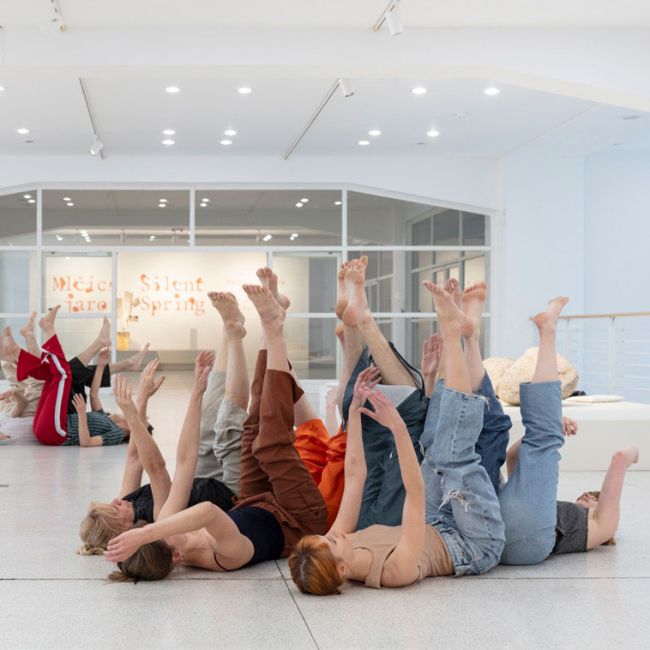
This year as well, the Academy of Fine Arts and Design in Bratislava (AFAD), with the support of its partners, will send two residents to the Cité internationale des arts in Paris. The first of them is Maja Štefančíková, a visual artist, performer, and AFAD lecturer, who will spend the next three months in Paris.
Maja Štefančíková’s practice connects movement and language through research and the creation of a movement vocabulary, the writing of texts, and their transformation into movement. This process leads to performative situations and actions that take place in galleries or public spaces. Her work addresses social phenomena such as labor, the functioning of institutions, and the operations of the art world. She has a long-term interest in questions of audience perception, which she tests through subtle, often invisible or otherwise subversive interventions aimed at activating hidden layers of perception.
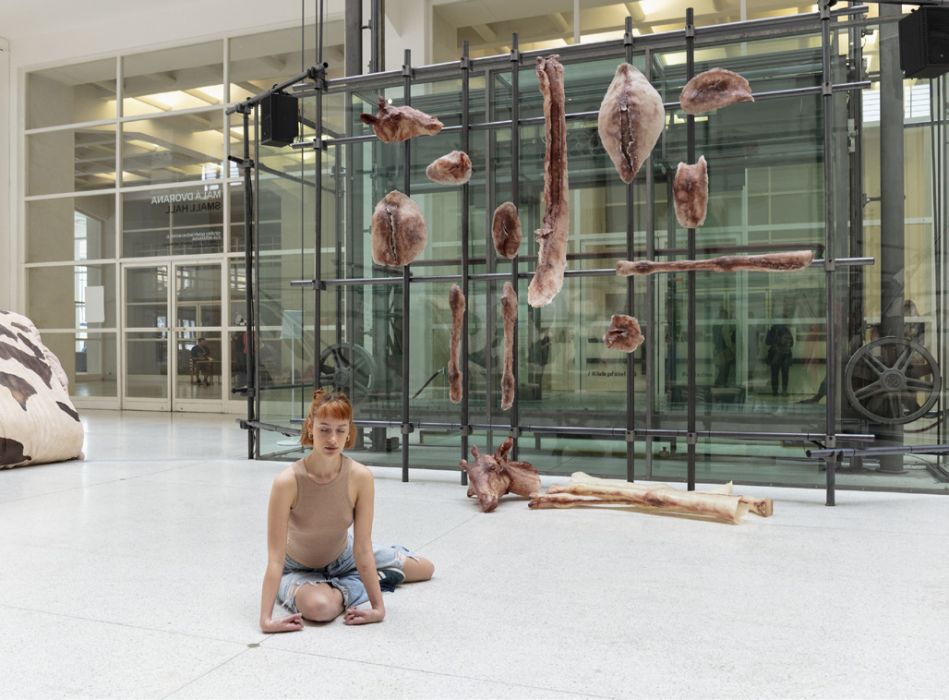

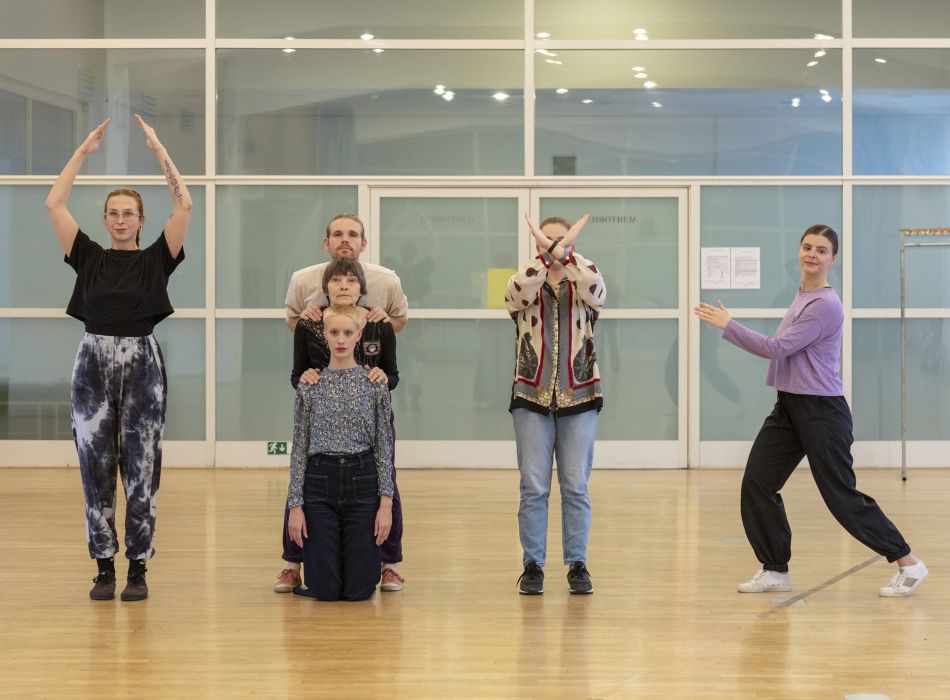
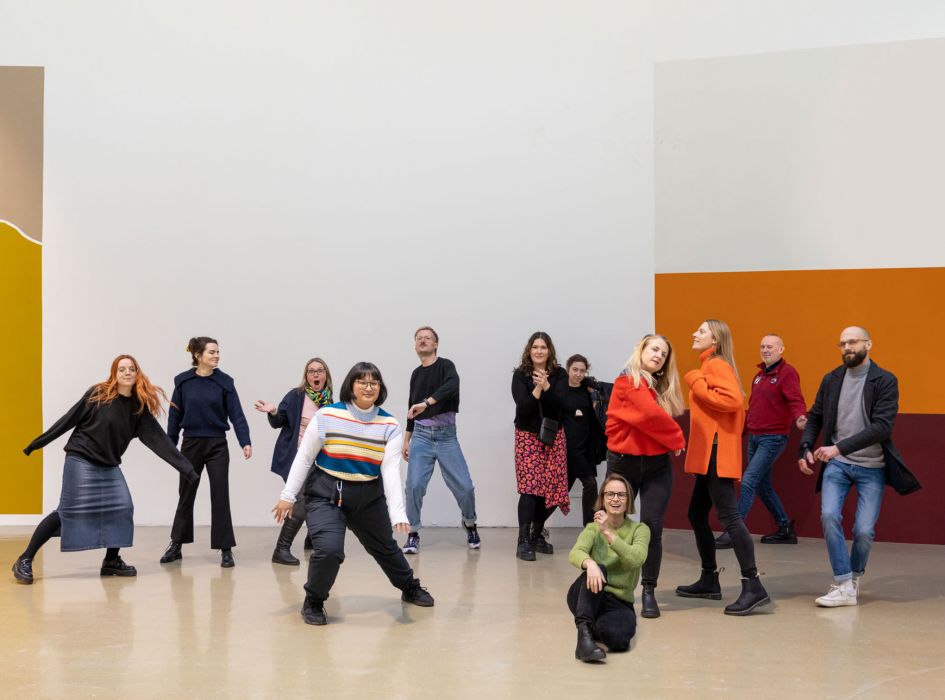
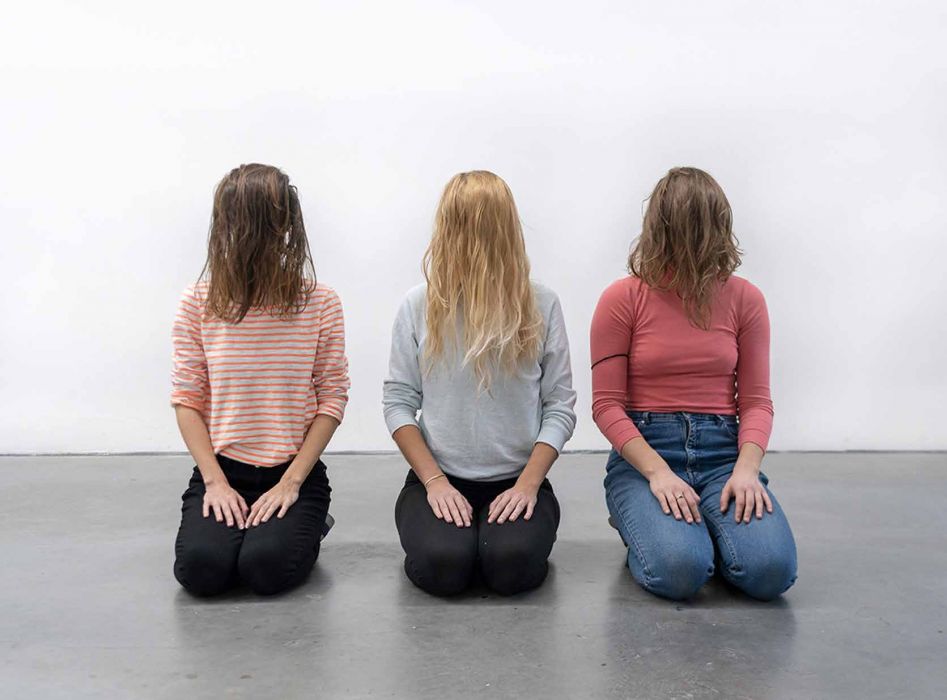
The project offline assemblages explores relationships between plants, animals, humans, and technologies through performative encounters. It focuses on how non-human beings exist within their own ecosystems, and on the rhythms and movements that keep them alive and in balance. Within this project, the artist asks: What happens when a human attempts to feel, think, and move in the rhythm of an animal or a plant—not in order to imitate them, but to meet them halfway?
offline assemblages develops a series of site-specific situations in which performers consciously enter into the movements, physical properties, and behaviors of other beings, thereby questioning the idea of human supremacy and disrupting the binary division between human and nature. During her residency in Paris, the artist plans to continue the project and deepen her research:
“Paris offers a specific context in which layers of colonial history, scientific cataloguing, art, and the contemporary urban ecosystem intersect. During the residency, I would like to focus on embodying entities displayed in museums and explore what it means to assume the physical essence of an exhibit—what new relationships this creates between the body, the collection, and the audience, and what new forms of observation and coexistence it enables.”
Eleven applicants—AFAD graduates, lecturers, or doctoral students—applied to the sixth open dual call. Their fields spanned a wide range, from painting, intermedia, and performance to photography, digital art, and art theory. In the first round, the AFAD selection committee (Barbora Komarová, Miroslava Urbanová, Beata Jablonská, Ján Kralovič) shortlisted six candidates. In the second round, the committee at the Cité (Vincent Gonzalvez, Head of the Residency Department; Souraya Kessaria, Residency and Partnerships Program) selected Maja Štefančíková for the first residency in 2026, and Karin Golisová for the second residency, taking place from April to June.
The Academy of Fine Arts and Design in Bratislava has established a long-term collaboration with the Cité internationale des arts in Paris, within which it sends artists and authors from Slovakia twice a year from the fields of visual arts, design, architecture, conservation, and art theory. The residency is open to AFAD graduates or current doctoral students, regardless of discipline, research focus, or age.
Partners:
Slovak Institute in Paris
Cité internationale des arts Paris
Tatra Banka Foundation