Patrik Illo: (Ne)zabúdanie ((Un)Forgetting)
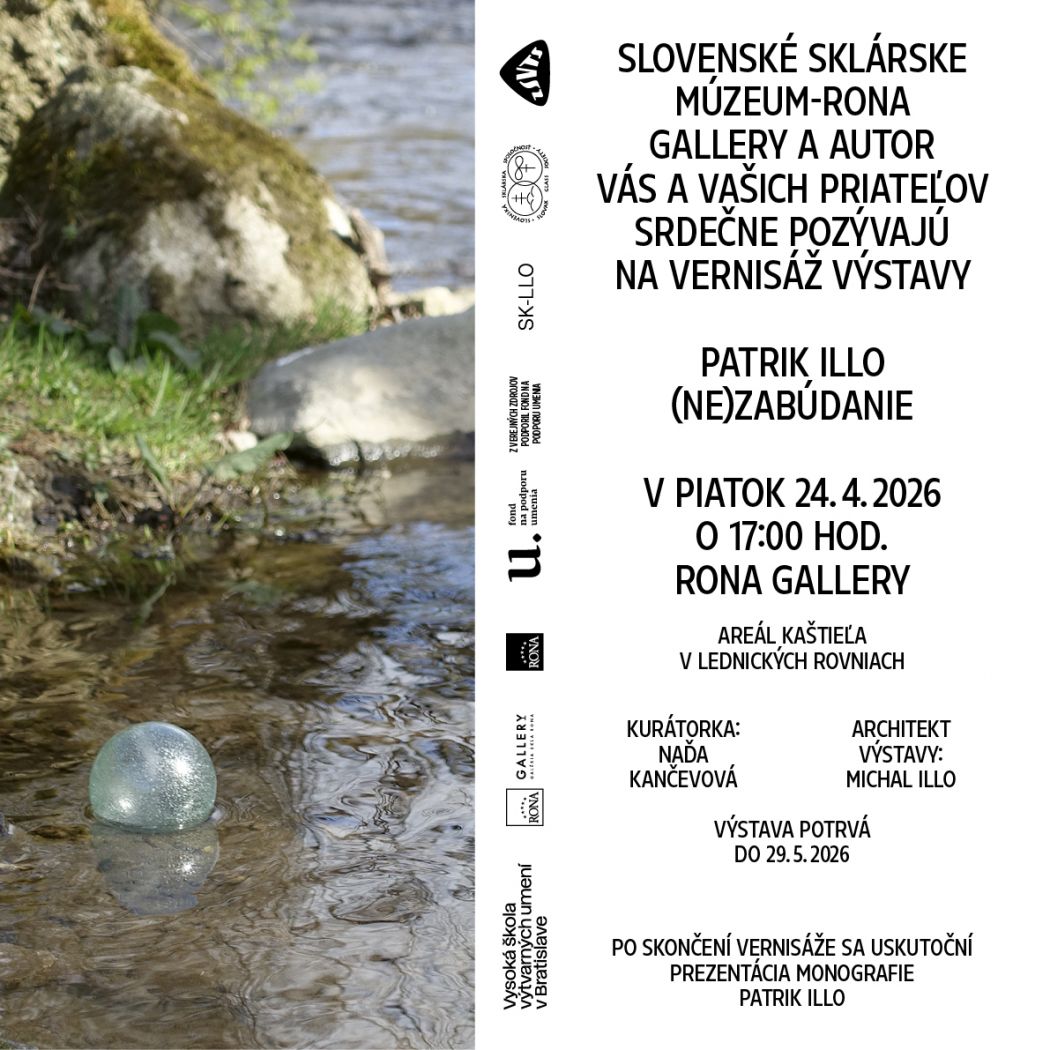
You are cordially invited to the opening of Patrik Illo’s exhibition at Rona Gallery.
Rona Gallery
Estate of the Manor House in Lednické Rovne
Curator: Naďa Kančevová
Exhibition duration until 29 May 2026.
>>>View photos from the exhibition and opening>>>
Curatorial text:
River of Breathing Memories
Patrik Illo: Memory of Glass / Archaeology of the Future
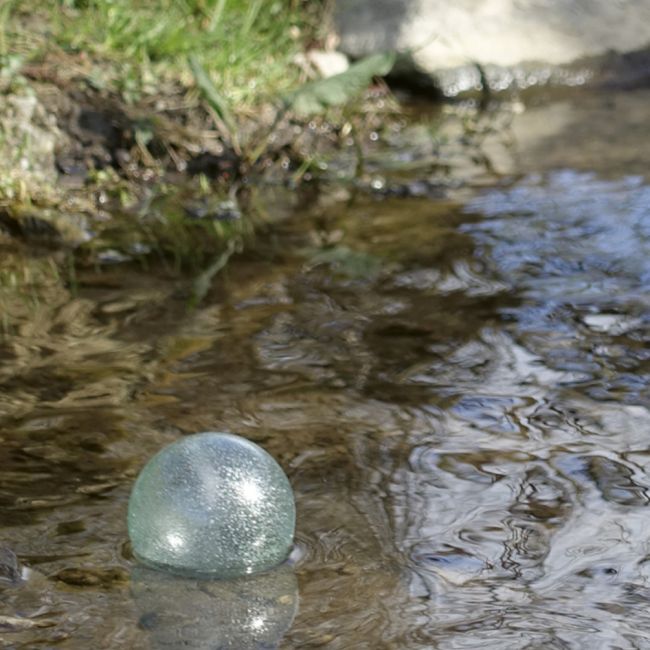
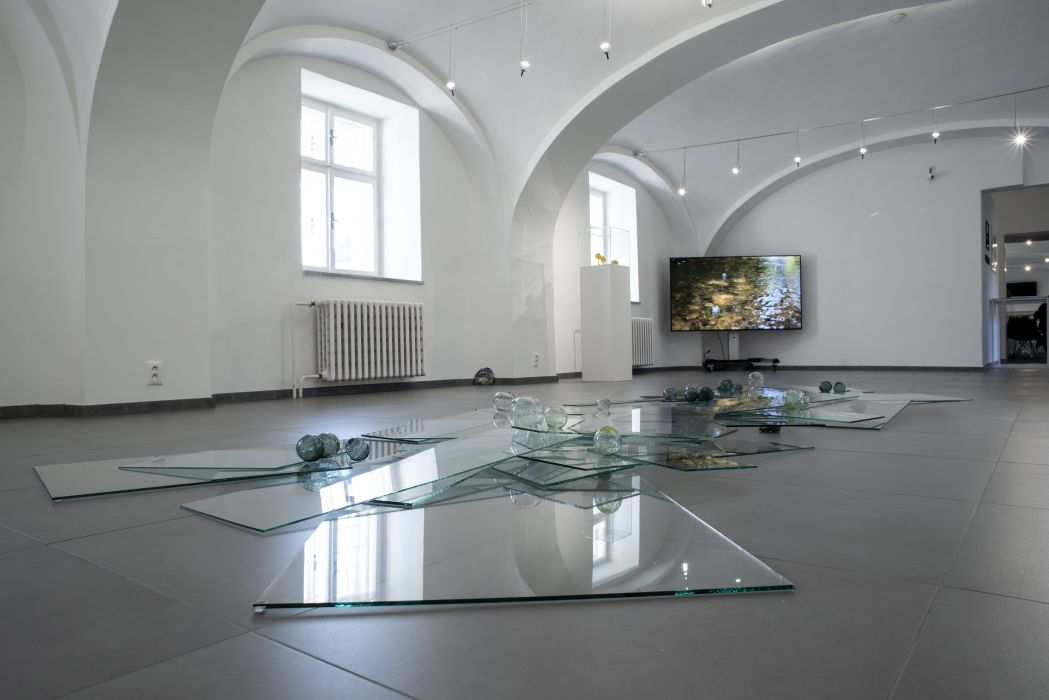
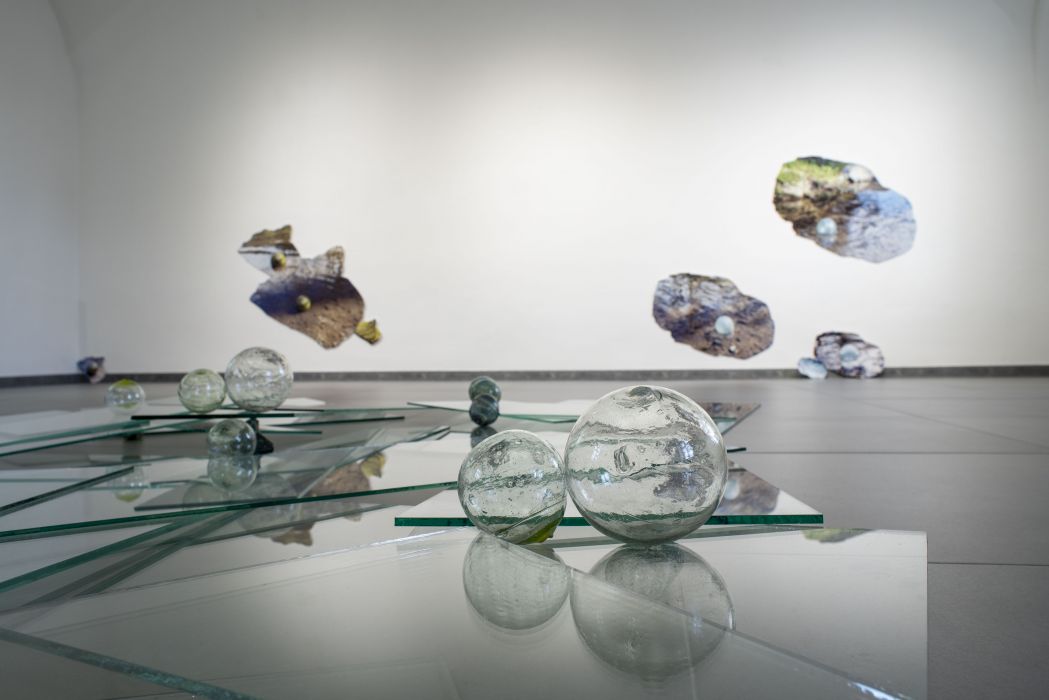
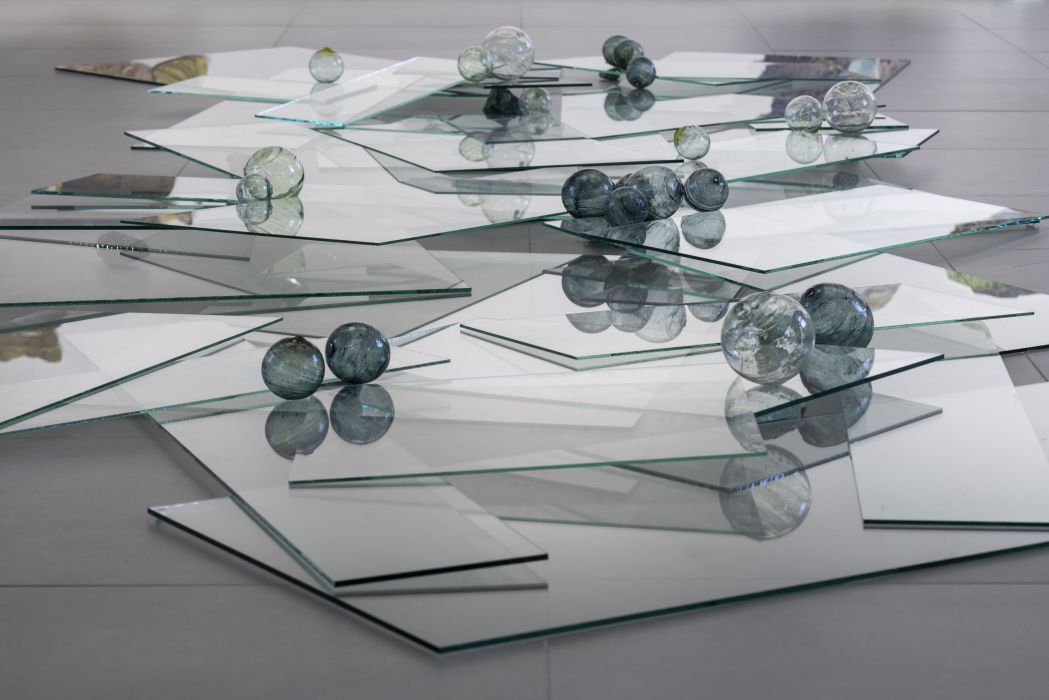
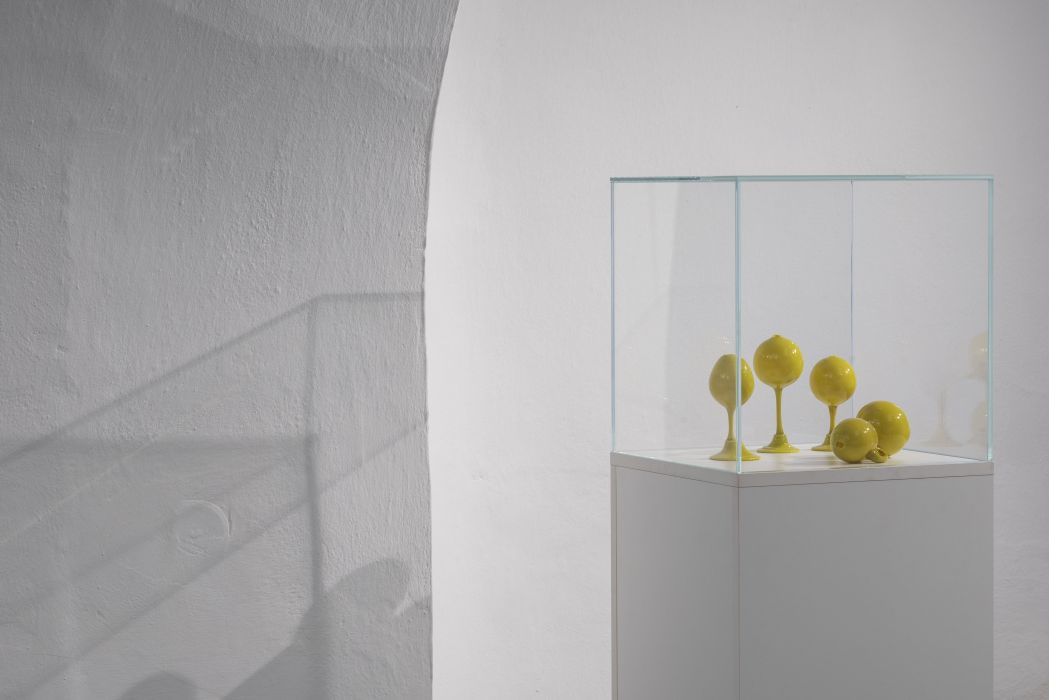
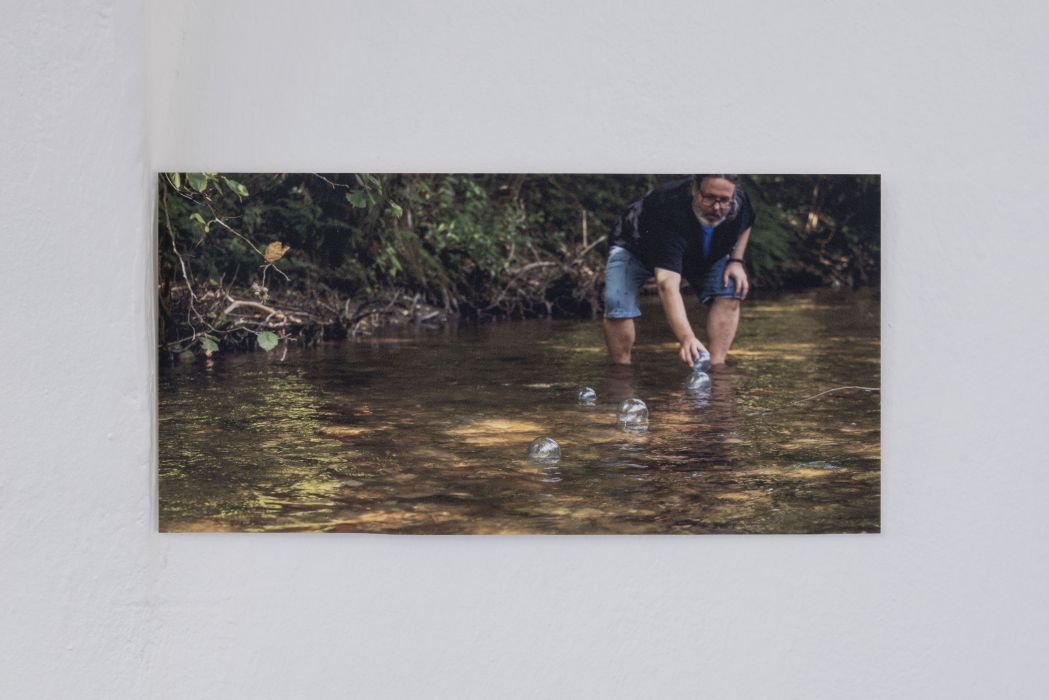
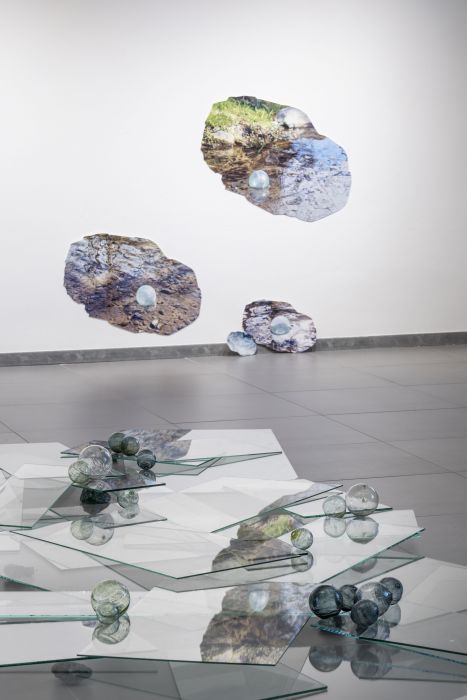
Patrik Illo (b. 1972) recently published a monograph. Over four hundred pages mapping more than thirty years of design, glassmaking, and teaching. And perpetual movement – between school, glassworks, exhibitions. Although he does not consider himself a quintessential glass artist (he works in other creative fields as well), it is precisely through his long‑standing collaboration with the Rona glassworks in Lednické Rovne that glass has become his fateful material and medium. As a student (at the now‑defunct glass school in Lednické Rovne), he used to visit the glassworks in Utekáč, Málinec, Zlatno, and Poltár. Back then they were still alive. Later, as a student in the glass studio, he produced his school works there. He saw them from the inside while they were still breathing. At Rona, he has worked as chief designer and visual artist for over thirty years. That is why the design aspect of his work naturally predominates in his monograph. His long‑term connection with industrial production and design inevitably becomes part of his identity. It seeps into his thinking, his vision, his creative process. Yet Illo does not perceive glass only through design and technology. For him it is also a medium – of history, memory, stories. His work blurs the boundaries between design and free art, between industry and concept. It seems that his artistic thinking unfolds precisely from this "productive impurity", and within it the conceptual, memory‑based line is deepening. As the years pass, existential themes concerning time, transience, and disappearance begin to emerge with growing urgency. His monograph does not thematise these aspects of his work. Some conceptually oriented projects – which from my perspective raise the most interesting questions – remain outside it. One of them is Monument (Katarínska Huta, Poltár, 2022), created in collaboration with his brother, architect Michal Illo. It consists of two glass display cases in a public space, filled with small glass objects collected from local people – former employees of defunct glassworks. Bowls, glasses, candlesticks. Each object has a QR code linked to a video with a testimony of a specific person: a glassmaker who still dreams about glass. A woman who spent her whole life decorating candlesticks. A man who spent his whole life looking from his apartment block window at a mountain – and glass was a grey part of his everyday reality. It is not a museum collection. It is a record of memory and local history. A monument somewhere between pride and melancholy, between craft and its extinction. When most glassworks in Slovakia closed their operations, only traces remained – in people's memories, in village names, in glass shards scattered across the landscape. While Monument gathers and preserves these traces, the current project Dych rieky (originally River of Breathing Memories, since 2023) transforms them and returns them to life. The source site? Utekáč. In the river near the former glassworks you can still find colourful "stones" – waste glass from the defunct production. People collect them and decorate their front gardens with them. The "stones" are not yet completely smooth; the water has not yet worn them down like "sea glass" on a coast. Patrik Illo collects them, melts them, and breathes new life into them. He transforms them into bubbles. Transparent, fragile, as if they came from another time. An accompanying video, as part of the installation, captures the river's surface and the bubbles floating on it. Bubbles made from "stones" that lay at the bottom of that same river. The project's title – Dych rieky (River of Breathing Memories) – refers to an in‑breath, an out‑breath, but also a sigh. Breath here connects with the technique of glassblowing – breathing life into a found piece of glass, but also the last breath of the defunct glassworks, and a sigh over the fate of the entire industry. Illo transforms some of the "stones" into vessels. He makes chalices from them, on the edge of usability. They appear archaic. They are not perfect design objects. Rather, they are like archaeological finds from the future. And it is in this transformation that what is at stake becomes visible – the memory of glass, a material that carries the memory of place, the work of hands, stories. Glass "waste" here, through artistic recycling, becomes a witness to a vanished world. And the river is a natural metaphor for time. It wears things down, carries them away, reveals them, but also obscures them. Bubbles drift on the surface like reborn memories – fragile, almost elusive, fleeting. When I first saw Illo's bubbles floating on the water, associations came to mind with well‑known projects by Mark Dion (Thames Dig, the poetics of collecting and returning to the discarded), Tony Cragg (working with waste material, plastic maps, the memory of material), and also contemporary Superflux (archaeology of the future, fictional excavations). Understandably, each artist pursues something different. Nevertheless – in working with residue, sediment, time, material traces – I sense a common tone. In Illo's project, the local context is not just a backdrop but directly a raw material. Just like glass. Utekáč, Málinec, Zlatno, Poltár are names of defunct factories and at the same time places where memory is not stored in museums but in people's front gardens and river sediments. This is not only about glass as sediment or material trace, but also about relationships. People to place. Place to river. River to time.
Patrik Illo, in his project, returns what has lain at the bottom and lets it flow again. Like memory. Like a river. Like time.
Naďa Kančevová
Photos from the exhibition and opening
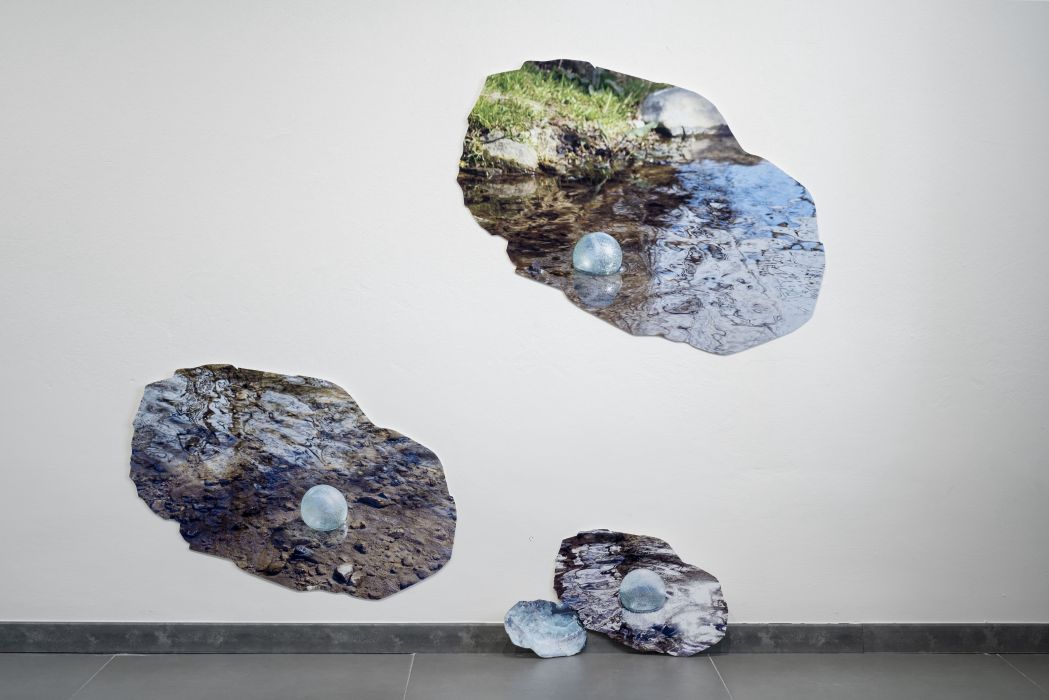
Author of media: Marko Horban.
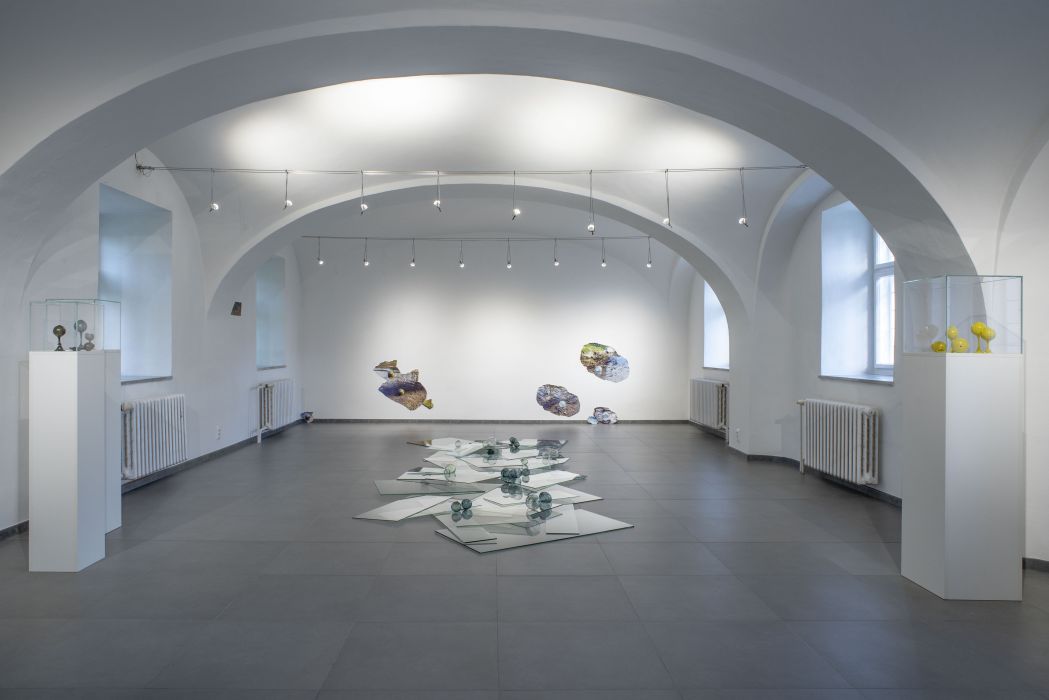
Author of media: Marko Horban.
Author of media: Marko Horban.
Author of media: Marko Horban.
Author of media: Marko Horban.
Author of media: Marko Horban.
Author of media: Marko Horban.
Author of media: Marko Horban.
Author of media: Marko Horban.
Author of media: Marko Horban.
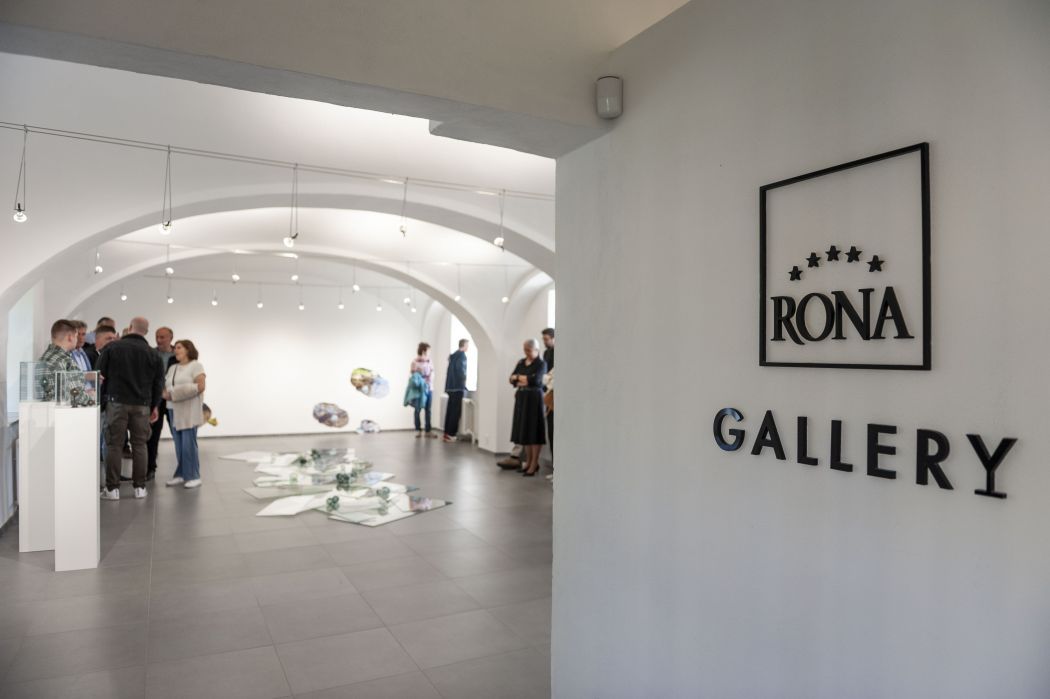
Author of media: Marko Horban.