Matias del Campo: The Inference Engine: Towards Architecture after AI
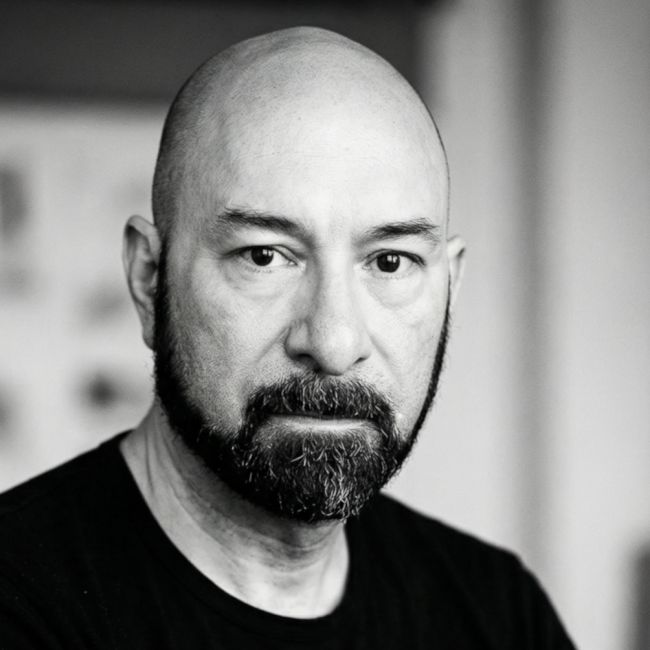
We warmly invite you to a unique lecture.
HN 135, AFAD, Hviezdoslavovo Square 18, Bratislava
Annotation:
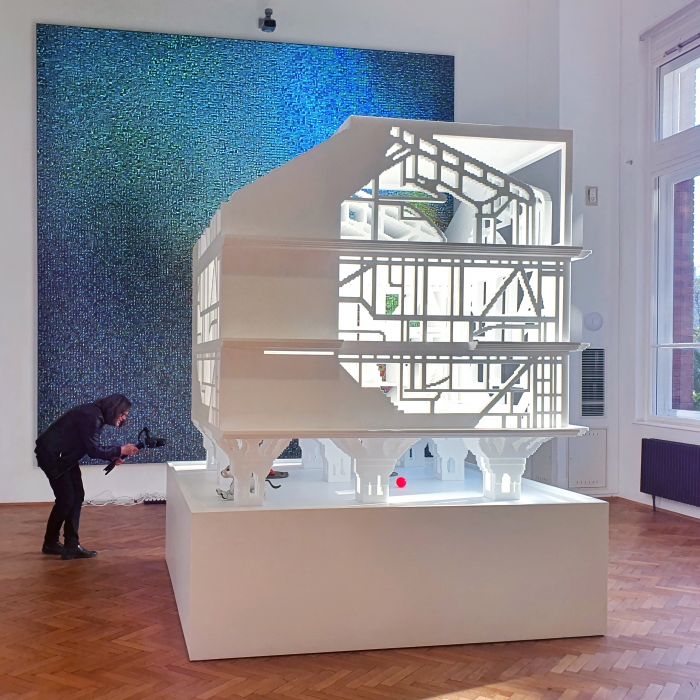
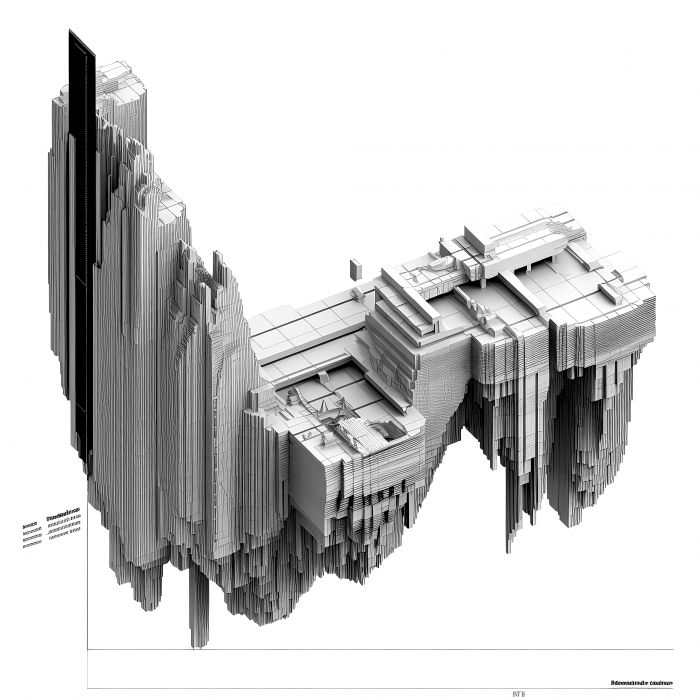
Architecture has absorbed artificial intelligence into its workflows. The harder question is what comes next. This lecture traces the arc from imitation to inference, examining how machines that learn from architectural history restructure the discipline's epistemic foundations. Matias del Campo argues that AI is an epistemic shift demanding new theories of authorship, representation, and design intelligence. The lecture moves through Renaissance datasets, machinic drift, and distributed cognition to propose inferentialism — a mode of practice where form emerges through probability, concatenation, and the collaborative calibration of human and machinic attention — developed at length in The Architects Manual to Artificial Intelligence, co-authored with Sandra Manninger, forthcoming with Wiley.
Bio:
Dr. Matias del Campo is an architect and theorist whose research addresses the epistemological and cultural implications of artificial intelligence for architecture and the arts. His work positions AI as a cultural technique that reconfigures how design disciplines produce, represent, and reason about form. Where much of the current conversation in architecture engages AI through the lens of generative imagery and language models, del Campo's theoretical framework foregrounds the capacities of prediction, optimization, and inference as sites of philosophical and cultural inquiry. Central to this framework are the concepts of inferentialism, latent space ontology, and concatenation, developed across publications including Neural Architecture: Design and Artificial Intelligence (2022), Diffusions in Architecture: Artificial Intelligence and Image Generators (2024), and three guest-edited issues of Architectural Design (AD Wiley).
Del Campo is co-founder of the architecture practice SPAN and of AKI — Angewandte Künstliche Intelligenz, a Vienna-based company developing strategic AI solutions and data infrastructures for industry and public institutions. He teaches at the Technical University of Vienna (TU Wien) and has held faculty positions at the University of Michigan's Taubman College, where he directed the AR2IL (Architecture and Artificial Intelligence Laboratory), at the New York Institute of Technology (NYIT), and at the University of Pennsylvania. His work and designs are held in the permanent collections of the MAK Vienna, MAXXI Rome, the Albertina, and the FRAC Centre.
The lecture is part of the KEGA 001VŠVU-4/2025 grant The Art of Synthesis: Bridging Creativity and Technology Through AI and is part of the E-R-AI platform program.